 >
> Discover the unparalleled beauty of Kidepo Valley National Park in the remote wilderness of Uganda.
Despite being an isolated national park, this hidden gem promises an unforgettable adventure for wildlife enthusiasts on Uganda safaris and tours.
Kidepo Valley National Park is one of Africa’s pristine protected areas and harbors a range of wildlife species at risk of extinction that may not be found in any other national park in Uganda.
It is recognized as the second most biodiverse national park in Uganda because of being home to diverse wildlife species.
Besides being a place for interesting wildlife safari experiences, Kidepo Park is a great spot for cultural encounters, especially for tourists interested in seeing Karamojongs and other tribes.
Kidepo National Park is home to 86 mammal species, including over 650 African elephants, lions, leopards, and giraffes.
It is also the only place in Uganda to find cheetahs, caracals, bat-eared foxes, aardwolves, and Rothschild’s giraffes, with over 50 individuals recorded.
Key Takeaways on Kidepo Valley NP
- Kidepo National Park is celebrated as Uganda’s most remote and pristine wilderness, and it is renowned for its dramatic landscapes, like Mountain Morungole.
- Detailed overview of Kidepo NP’s location, size, history, geography, weather, and park management.
- Detailed overview of interesting things to see and activities to do in Kidepo National Park
- Must know rules and Regulations to Consider When Visiting Kidepo NP
- Additional information on when to visit, best accommodation, packing list, getting to the park, and top tour operators to use, among others.
Location of Kidepo Valley National Park Near the Border of South Sudan
Kidepo NP is nestled in the wild frontier region of Uganda in Kaabong District within the Karamojong region. It shares boundaries with South Sudan to the north west and Kenya, merely 5 km to the east, and it is about 700 km from Kampala.
The park is about 220 km by road northwest of Moroto, the largest town in the sub-region.
Kidepo NP is also located relatively close to Pian Upe Wildlife Reserve in the south, which acts as a vital wildlife corridor between Kidepo and Mount Elgon NP.
Size of Kidepo Valley National Park
Kidepo Valley National Park covers an area of 1,442 km² (557 miles), making it the third largest national park in Uganda after Murchison Falls NP and Queen Elizabeth NP.
The park’s elevation varies significantly from 914 meters (3,000 ft) on the valley floor to 2,750 meters (9,022 ft) at the peak of Mount Morungole.
History of Kidepo Valley National Park
Kidepo Valley National Park was initially designated as a game reserve in 1958 by the British colonial government.
The primary objectives of gazetting it as a game park from a game reserve were to eradicate bush vegetation for tsetse-fly control and safeguard the park’s diverse wild animals from illegal hunting activities.
The reserve, which covers an area of 1,259 km², was upgraded to the status of a game park in 1962, the year Uganda gained its independence from the British colonialists. The park was extended to a size of 1,442 km² in 1969.
It was named after the mighty Kidepo River, the main source of water in the park. The word “Kidepo” comes from the Karamojong word “akidep,” meaning “to pick,” referring to the harvesting of Borassus palm fruits in the river valley.
Ian Ross, a Briton, served as the first chief warden of this park, and Paul Ssali, a Ugandan, succeeded him in 1972.
Kidepo Valley National Park Geography
Kidepo NP in north east Uganda features rugged savannah, dominated by Mount Morungole, which rises to 2,750 meters. It is also characterized by rocky outcrops that surround beautiful expanses of savanna and forest.
The two rivers, Kidepo and Narus, flow through the park, with the River Kidepo being seasonal and often drying up in the dry season.
The Kidepo Valley is famous for its lush vegetation during the wet months, which transforms into bare landscapes in the dry season. Kidepo NP is also known for its scenic Borassus palm trees, which are beautifully scattered throughout the valley.
The Narus Valley in the park is known for its rolling grassland plains and is a reliable source of water and green pasture for wild animals throughout the hot season.
Weather and Climate of Kidepo Valley National Park
Karamoja, where Kidepo NP is found, is a semi desert region with high temperatures, low rainfall, and semi arid savanna that gets bare ground after prolonged droughts.
The average temperature of the park is around 29°C/84°F, especially in the afternoon, with the highest at 40°C/104°F, and it normally falls to about 17°C/63°F at night.
Unlike other national parks and most parts of Uganda, Kidepo Valley has only one wet season, which runs from April to August.
The wet season in Kidepo NP is erratic and has a low average volume of 700 mm per annum.
The dry season runs from September to March. Of all the drier months, January and February are the warmest months, with day temperatures reaching 32°C/90°F and only dropping to 18°C/64°F in the morning.
The climate in Kidepo Valley National Park influences the vegetation patterns throughout the park.
During the wet months, vegetation in Kidepo NP is lush and green, supporting a vibrant wildlife presence.
The Narus Valley in Kidepo NP retains water for longer periods after the rainy season, creating temporary swamps and oases.
In the dry season, vegetation in Kidepo Valley National Park withers to bare ground, and many animals desert the area.
Kidepo National Park Management by the Uganda Wildlife Authority
The park management is under the Uganda Wildlife Authority (UWA), which has its head offices at Apoka within the park.
It also has regional offices in all game parks, wildlife reserves/community wildlife areas, and wildlife sanctuaries in Uganda.
It is the custodian of all wildlife resources, including mammals, birds, reptiles, fish, and vegetation, among others, within wildlife reserves.
The Uganda Wildlife Authority has requested that UCF improve management capabilities at Kidepo NP by installing the same foundations as those in Murchison Falls NP and Queen Elizabeth NP. This includes the digital radio network, Joint Operations Command Center, and Earth Ranger.
It is also working with partners to develop a successful transboundary wildlife conservation program.
Some of the works done by UWA include
- Protecting visitors coming into the wildlife areas and their property
- Handle revenue from tourists on tours into wildlife reserves
- Handle wildlife crime
- Providing and managing hospitality services for tourists on wildlife safaris
- Handle illegal trade in wildlife species
- Relocate wild animals that intrude on people’s homes
- The UWA is also implementing the geo-fencing technology that alerts rangers via text messages if elephants approach the park boundary to address the rising human-wildlife conflict.
The Apoka Tourism Centre
The Apoka is the heart of tourism in Kidepo NP since it is where the park offices are located. It is at this place that travelers make clearance for all park tourism services.
At the Apoka Tourism Centre, travelers can book a ranger for their guided tours.
There are also accommodation facilities and a campsite for travelers who prefer camping at Apoka.
Interesting Things to See in Kidepo NP
There are numerous interesting things to see in Kidepo NP while on your Uganda wildlife safari.
Animal Species in Kidepo NP
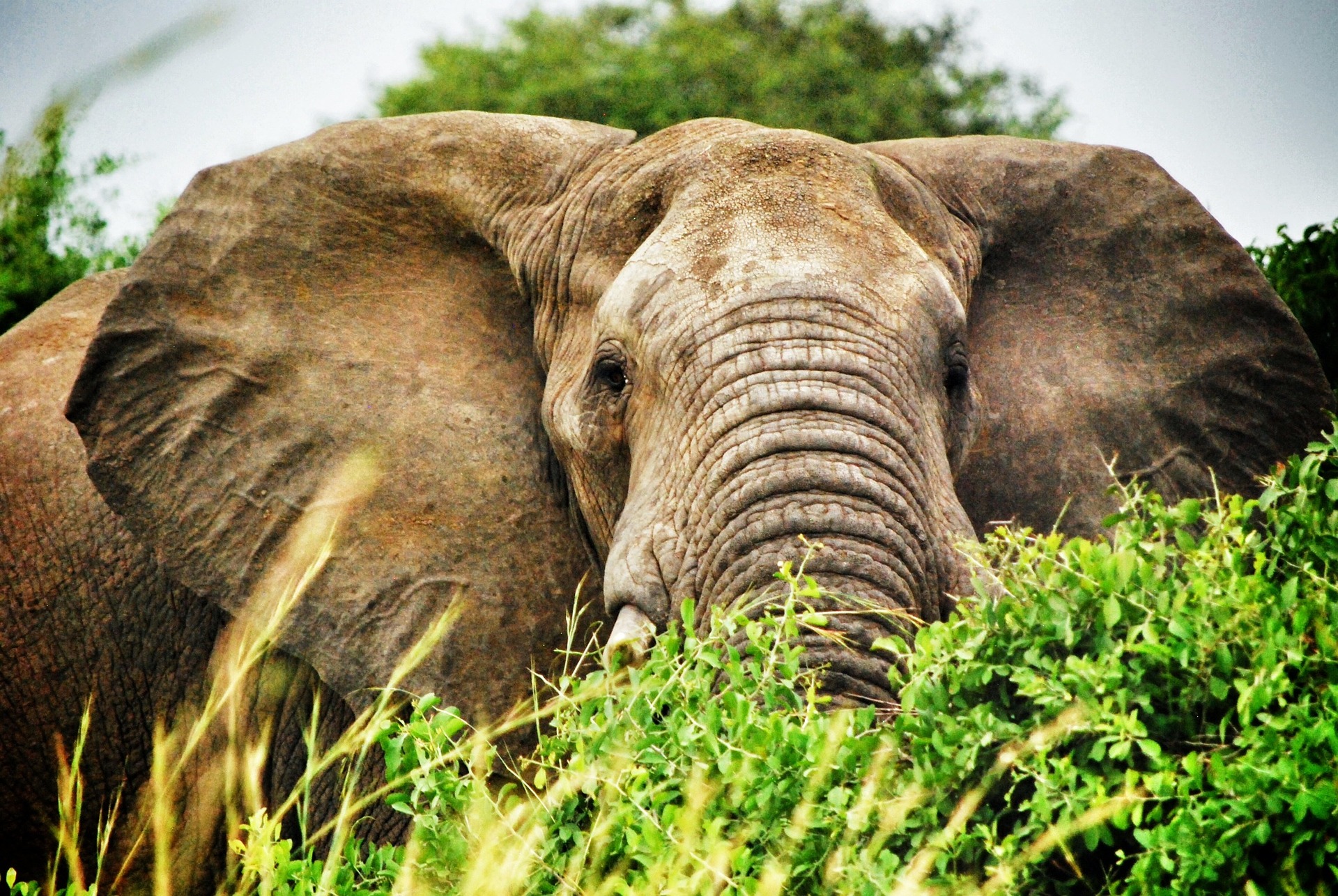
There are over 77 animal species worth seeing on a wildlife safari in Kidepo NP, and these include the following.
- Herbivores
Herbivores include the African buffalo (large herds), elephants, Rothschild’s giraffes, zebras, elands, Jackson’s hartebeest, bushbucks, waterbucks, topis, rhinos, and oribis, among others.
- Predators
Predators in the park include lions, leopards, cheetahs, black-backed jackals, side-striped jackals, hyenas, and aardwolves, among others.
- Primates
There are five primate species in Kidepo NP, and these include patas monkeys, vervet monkeys, olive baboons, black and white colobus monkeys, and kavirondo bush babies.
Bird Species in Kidepo Valley National Park
There are over 475 bird species in Kidepo NP, making it a good place for bird watching in Uganda.
Kidepo NP is home to unique bird species, including the common ostrich and Clapperton’s francolin, which are not found in other national parks in Uganda.
Other bird species to see when you visit Kidepo NP include
- Ostriches
- Karamoja apalis (endemic)
- Secretary bird
- Red-throated bee-eater
- Verreaux’s eagle
- Pygmy falcon
- Kori Bustard
- Pygmy Falcon
- Verreaux’s Eagle
- Egyptian Vulture
- Superb Starling
- Clapperton’s Francolin
- Dark Chanting Goshawk
- Pallid Harrier
- Purple Heron
- Abyssinian ground hornbill
- Red-and-yellow Barbet, etc.
Key Birding Areas
- Narus Valley: Excellent for finding ostriches, raptors, and ground birds, especially around Apoka Rest Camp.
- Namamukweny Valley: Known for white-crested turacos, green wood-hoopoes, and Abyssinian rollers.
- Kanangorok Hot Springs: Good for observing smaller species and raptors.
Stunning Landscapes in Kidepo NP
Various stunning landscapes make Kidepo NP a good place for adventure seekers. These landscapes include
- Mount Morungole
Mount Morungole is a volcanic mountain in Kidepo NP, known for offering scenic hiking, and it acts as the ancestral home of the Ik people.
It stands at a height of 2,750 m in the eastern part of the park.
This mountain serves as a cool, green highland refuge for wildlife and a vital water source for the Kidepo and Narus rivers since the two originate from its slopes.
- The Kidepo Valley
The Kidepo Valley is a dry, sand-filled valley that is lined with Borassus palms. It is one of the best places in the park where ostriches and secretary birds can be spotted.
The Kidepo Valley attracts numerous individuals who visit to harvest the mature Borassus palm fruits from the Borassus palm trees growing along the banks of the Kidepo River.
- The Narus Valley
This valley gets its name, Narus, from a Karamojong dialect, which means “muddy ground.”
The soil texture within the valley is characterized by being saturated and retaining water for extended durations post the rainy season. This results in the formation of transient swamplands, vegetation thickets, and isolated pockets of greenery known as oases.
The valley also retains oases even during the long dry season when most of the Karamoja region gets semi desert. This valley is a very important place for the Karamojong pastoralists because of the fresh pasture and water for large livestock.
The park’s Narus Valley is particularly rich in wildlife, attracting large herds of buffalo and elephants.
- Namamukweny Valley
This valley is situated in the northwestern part of Kidepo NP, accessed by car or on foot.
The valley gets its name, Namamukweny, from the Napore word, which means a place with no birds or a lonely place with few people.
It is recommended to visit this valley for a quiet corner to explore and experience the authentic African wilderness.
Though the valley was earlier considered a place with no birds, there are several bird species that inhabit the place. Some of these birds include
o Abyssinian Roller
o White-crested Turaco
o Common Bulbul
o Green-Wood Hoopoe
o Eastern Paradise Whydah, etc.
- The Kanangorok Hot Springs
Kanangorok Hot Springs reach temperatures of 50°C and are located near the South Sudan border, 11 km from the River Kidepo.
It is one of the supernatural wonders in Kidepo NP, making it one of the top geographical features that await exploration.
Oftentimes, locals frequent this hot spring because they believe that its water contains some healing power and spiritual cleansing.
Around the thicket of this hot spring, visitors can spot various wild animals that call Kidepo NP their home.
- The Kidepo River and Narus River
These rivers glide through the savannah landscape during the rainy season and disappear during the dry season.
They serve as the main sources of water in the large conservation area and act as a good spotting area since various wildlife species gather around them, especially in the hot season.
Karamojong Herdsmen
The Karamojong are an ethnic group of Nilotic language-speaking, cattle-loving, nomadic agro-pastoralists who migrated into what is now north eastern Uganda from Ethiopia over 500 years ago.
It is one of the indigenous communities inhabiting the Karamoja subregion. The Karamojong traditionally lived a nomadic lifestyle, roaming the vast plains of Karamoja with large herds of livestock.
The Karamojong nomads and wildlife coexisted in the Karamoja region, their livestock grazing alongside herbivores and sharing watering holes.
The size of a herd is a symbol of wealth and social status among the Karamojong.
In the African traditional lifestyle setting where there was no currency, livestock was a medium of settling social as well as business transactions for the Karamojong.
Their love of cattle has resulted in disputes over livestock, and conflict has long been a part of Karamojong culture.
The Karamojong have largely resisted the onset of modernity and still live traditional lives little changed from the time of their first arrival.
Captivating Things to Do in Kidepo NP
There are numerous interesting things to do when on a safari to Kidepo NP, and among them are
Game Drives in the Park
Kidepo Valley National Park is a popular Uganda safari game drive destination with a wide range of game.
The park has flat terrain and scenic undulating hills scattered in a few spots. The vegetation in this wildlife area is high, catching grassland and savannah stretching out toward the horizon as far as the eye can see.
These natural conditions make spotting wildlife less difficult during game drives and wildlife viewing less difficult.
The park offers both daytime and nighttime game drives, and among the commonly spotted wild animals are lions, cheetahs, leopards, elephants, giraffes, zebras, and African buffalo.
Day game drives in Kidepo NP are best conducted in the early morning and late afternoon.
Evening game drives should be conducted by 4 pm to catch game winding up their activities.
Night game drives in Kidepo NP are also conducted to allow visitors to spot nocturnal wildlife.
Bird Watching Safaris
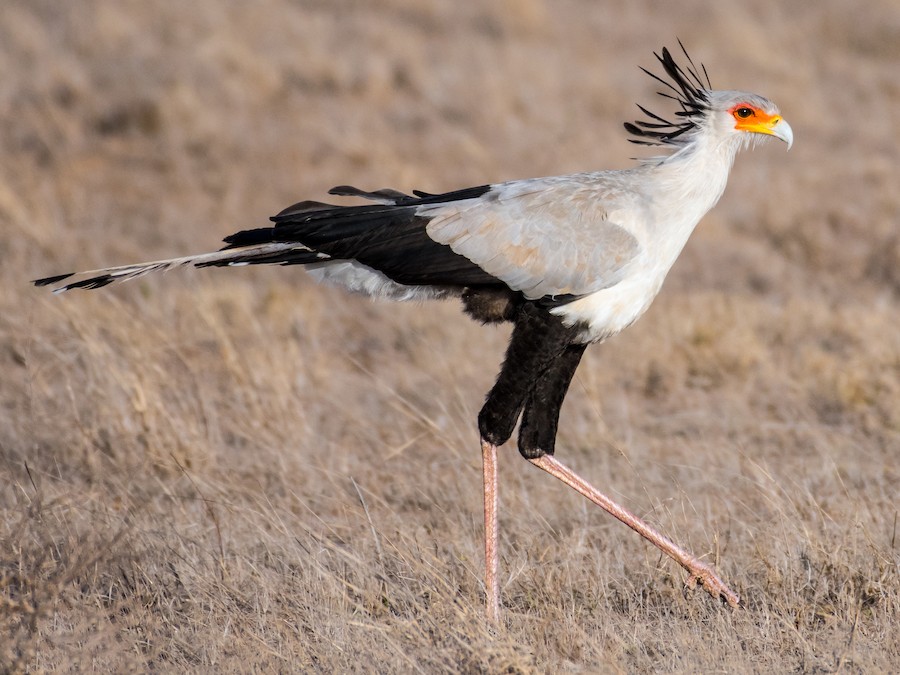
Bird watching is among the interesting things to do in Kidepo NP since the wildlife area hosts over 475 bird species, making it the second highest of any protected area, following Queen Elizabeth National Park.
Around sixty bird species on this list are endemic to this park and not recorded in any other safari park in Uganda.
Some of the commonly spotted species include ostriches, Verreaux’s eagles, Egyptian vultures, superb starlings, Clapperton’s francolins, red and yellow barbets, dark chanting goshawks, pallid harriers, purple herons, etc.
Hiking & Nature WalkS
Kidepo Valley National Park is a vast and beautiful area full of amazing things to see during nature walks.
Flat plains in scenic landscapes and land features where beautiful animals spread freely into all corners of the grasslands and interact with one another.
When on hikes and nature walks in Kidepo NP, travelers explore the wilderness and make personal discoveries. However, this is made possible when enhanced by booking a ranger who interprets wildlife scenarios.
Nature walks in Kidepo NP can include visits to the Kanangorok hot springs, a natural spa in the wilderness.
The walking trails in Kidepo NP typically take 2 to 3 hours and wind through the Narus Valley.
Travelers can encounter a variety of wildlife during nature walks in Kidepo NP.
Besides wildlife encounters, visitors also have opportunities for wilderness photography during these nature walks.
Cultural Visits
A Uganda cultural safari to Kidepo NP is among the interesting things, presenting an opportunity for visitors to experience the authentic culture of the Karamojong and IK people.
On these cultural tours, travelers visit the Karamojong, who are a community that inhabits the area, and the Ik people, another indigenous community inhabiting the Morungole Mountains as their sacred home.
Travelers on a Uganda tour in Kidepo often visit the Karamojong Manyatta to share life experiences, learn about the survival games in the wilderness, and explore the authentic lifestyle of the indigenous African community.
Visitors are encouraged to carry gifts for the Karamojong and the Ik people to win their confidence during visits.
Where to Stay in Kidepo Valley NP?
Kidepo NP has only two lodges and a government rest camp available for accommodation for guests.
- Apoka Safari Lodge: This is a luxury lodge located in Kidepo NP, offering high-quality hospitality service to travelers.
- Kidepo Savanna Lodge: This is a simple but comfortable lodge situated 500 meters from the Kalokudo Gate to Kidepo
- Apoka Rest Camp: This is a basic accommodation for budget travelers visiting Kidepo NP.
- There are also campsites for travelers who prefer camping in Kidepo NP, and these are
- Nagusokopire Campsite: This campsite is situated near the Narus Valley, and it offers a true wilderness experience.
- Kakine Campsite: This is another popular, cost-effective, and scenic site that offers a true wildlife experience.
Travelers who use these campsites can book a ranger at the Apoka Tourism Office to enhance their experience during their stay at Kidepo NP.
When Is the Best Time to Go to Kidepo Valley National Park?
Kidepo NP is accessible all year round, but the dry season from December to March is the best time for wildlife sightings.
During the dry season, wildlife viewing is much easier as animals are on the move looking for water sources and vegetation.
The rainy season from April to August is the best for bird watching tours due to the presence of migratory birds.
How to Get to Kidepo NP?
The park can be accessed via a demanding 10–12-hour drive from Kampala or a 1–2-hour domestic flight into the Apoka Airstrip.
By Air
Visitors on a wildlife safari in Kidepo NP enter Uganda through the Entebbe International Airport.
From Entebbe Airport, charter flights are available via light aircraft to Lomej Airfield, located just 3 km from the Apoka Tourism Center, which is the main office for clearances.
By Road
Kidepo NP is located approximately 520 kilometers by road northeast of Kampala, Uganda’s capital.
There are two entrance gates to Kidepo NP: Lokumoit Gate and Nataba Gate.
Most visitors drive from Murchison Falls NP to Kidepo NP, which takes about 7 hours on a sealed road.
Rules and Regulations to Consider When Visiting Kidepo Valley National Park
- Morning game drives should start around 6 am to spot nocturnal animals.
- Feeding the animals is prohibited.
- Animals always have the right of way.
- Do not drive in the park between 7:00 pm and 7:00 am.
- Pets like dogs and others should not be brought into the park.
- The driving speed in the park should not exceed 40 km per hour.
- Do not drive off track.
- Do not pick any vegetation in the park.
- Camping and campfires should only be set in the designated areas.
- Do not litter the park.
- Do not bring any ammunition into the park.
Best Tour Operators to Book with for a Visit to Kidepo NP
The following are the top tour operators to help you book your safari to Kidepo NP.
- Prime Safaris And Tours Ltd.
- Wild Gorilla Safaris
- Safari Uganda Safaris
- Gorilla Safaris And Tours
- A Uganda Safari
- Africa Safari Tours
- Uganda Birding Safaris
- Gorilla Trekking Uganda
Top Tour Packages for Kidepo Valley NP
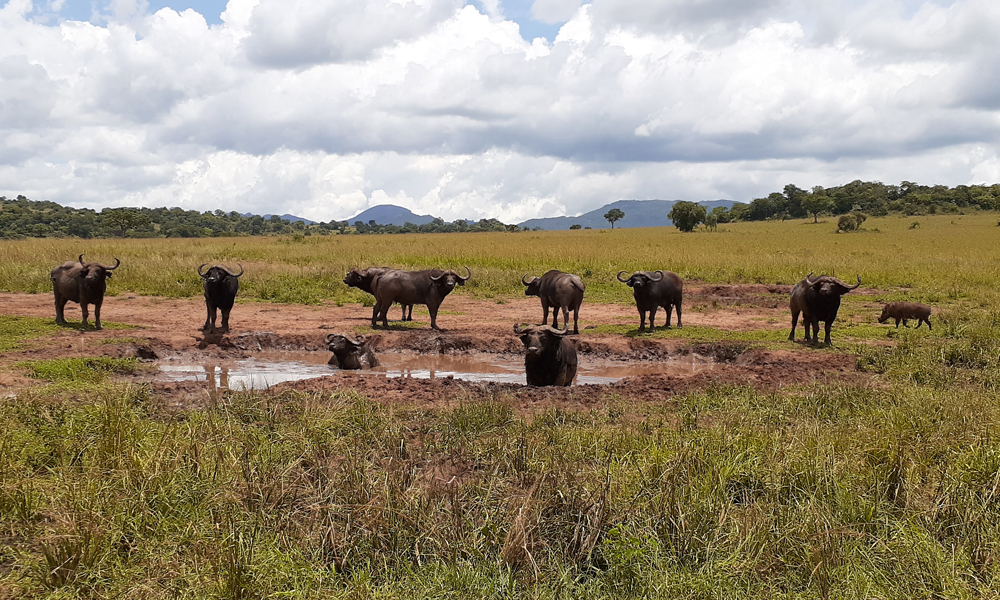
The following are some of the top tour packages offered at Kidepo NP. These include
- 3-Days Luxury Kidepo Flying Wildlife Safari
- 4-Days Kidepo Wildlife & Cultural Safari
- 5 Days Wildlife Safari to Kidepo NP
- 7 Days Kidepo & Murchison Wildlife Safari
- 7 Days Eastern Uganda Circuit Safari
- 10 Days Best of Uganda Safari
Kidepo Valley National Park Uganda FAQs (Frequently Asked Questions)
Why Is Kidepo Valley Famous? / Why Is Kidepo National Park Famous? / What Is Kidepo Valley Famous For?
Kidepo NP in northeastern Uganda is famous for being one of Africa’s most pristine, remote, and untouched wildernesses.
This remote park is home to over 77 mammal species, including large herds of buffalo, Rothschild’s giraffes, and lions, among other animals.
It is also home to over 457 bird species, including ostriches, and many others that are endemic to the park.
What Is the Major Tourist Attraction in Kidepo Valley? / What Is the Major Tourist Attraction in Kidepo? / What Is the Major Tourist Attraction in Kidepo National Park?
The major tourist attraction in Kidepo NP is the Narus Valley, which is inhabited by numerous animal species, and it is a primary area for game drives.
Other key attractions include
- Kidepo Valley, which is known for ostriches
- Kanangorok Hot Springs
- Mount Morungole
- Lomej Hills
- Over 77 mammal species
- Over 457 bird species
- The Karamojong and the Ik, who are mountain people inhabiting Mt. Morungole, among other attractions
What Is Found in Kidepo National Park? / What Is Found in Kidepo?
There are various things found in Kidepo NP, and these include
- Over 77 mammal species, including African elephants, bat eared foxes, Rothschild’s giraffes, lions, cheetahs, etc.
- Over 457 bird species, including ostriches, Clapperton’s francolin, red and yellow barbets, etc.
- Stunning geographical features, including Mount Morungole, Lomej Hills, Kanangorok Hot Springs, Narus River, and Kidepo River, among others.
- Local communities, including the Karamojong and Ik people.
Are There Ostriches in Kidepo Valley National Park?
There are ostriches in Kidepo NP, and it is the only Ugandan national park where this bird species is found.
What Animals Are in Kidepo National Park? / What Animals Are in the Kidepo Valley?
There are numerous animal species, including.
Predators: Lions, leopards, cheetahs, spotted hyenas, bat eared foxes, black-backed jackals, side-striped jackals, and wild dogs, among others.
Herbivores: African bush elephants, Cape buffalo, Rothschild’s giraffes, Burchell’s zebras, Defassa waterbucks, common elands, Uganda Kobs, and southern white rhinos, which were relocated from the Ziwa Rhino Sanctuary.
Primates: Patas monkeys, black and white colobus monkeys, olive baboons, Kavirondo bush babies, etc.
How Much Is a Game Drive in Kidepo National Park?
- A day game drive costs $20 for a foreign non-resident, $15 for a foreign resident, and UGX 20,000 for an East African citizen.
- A night game drive costs $30 for a foreign non-resident, $20 for a foreign resident, and UGX 20,000 for an East African citizen.
What Is the Most Visited National Park in Uganda?
Queen Elizabeth NP, located in Kasese and spanning into Kamwenge, Rubirizi, and Rukungiri districts, is the most visited national park in Uganda.
Are There Lions in Kidepo National Park?
There are lions in Kidepo NP, numbering about 15 to 30 individuals, making it one of the best places to see them on Uganda tours in the wilderness.
What Does Kidepo Mean?
“Kidepo” originates from the Karamojong (or Dodoth) verb “akidep,” which means “to pick up” or “to gather,” referring to the practice of collecting Borassus palm fruits.
In Which District Is Kidepo Valley?
Kidepo NP is located in Kaabong District in the northeastern corner of Uganda, near the border of S. Sudan and 5 km away on the eastern border of Kenya in the semi arid region of Karamoja.
Visit Kidepo Game Park and immerse yourself in the raw and captivating nature of the untouched wilderness. Book with us your safari now to discover the breathtaking beauty and rich wildlife that await you in this remarkable sanctuary.

Over 300 excellent reviews on TripAdvisor
Over 50 excellent reviews on Safaribookings.
Over 50 excellent reviews on Safaribookings.
12+ years of experience.
Best price guarantee.

Robert
Planning a safari and tour? Seek guidance from a safari specialist...
To receive outstanding safari advice, you can either contact us via phone or arrange a video conference with our proficient specialists.