 >
> Embark on a trip to Lake Mburo National Park, one of Uganda’s smallest national parks, covering an area of about 260 square kilometers. It lies at an altitude of 1220 m–1828 m above sea level, and it is the closest park to both Kampala and Entebbe, about 240 kilometers west of Kampala, the country’s capital.
Lake Mburo NP is famous for being the only safari destination in the country where impalas are found, and it has the largest population of zebras in the country, with an estimated 5000.
It is underlain by ancient Precambrian metamorphic rocks dating back more than 500 million years, forming the rugged base for its rolling hills and valleys.
Mburo NP features forested gorges, rocky ridges, narrow bands of lush riparian woodland, savanna grasslands, and other stunning landscapes.
Below is the detailed overview of the park’s location, its history, amazing things to see, activities to do, and where to stay on a memorable Ugandan safari.
Location of Lake Mburo National Park Uganda
Lake Mburo National Park is in Nyabushozi County, Kiruhura District, in the western region of Uganda, about 240 kilometers from Kampala, and the drive takes about 4 hours.
The park lies approximately 30 km from Mbarara City, and it shares its borders with districts such as Mbarara, Isingiro, and Lyantonde.
It is a perfect stopover for travelers heading further west, a region known for destinations like Bwindi Impenetrable NP for gorilla trekking or Queen Elizabeth NP for Uganda wildlife safaris.
History Of Lake Mburo National Park Uganda
The L. Mburo area was first gazetted as a controlled hunting area in 1933, upgraded to a game reserve in 1963, and given the status of a national park in 1983.
The historical significance of L. Mburo is tied to the cultural narratives of the Banyankole, particularly the legend of the brothers Mburo and Kigarama, which provides cultural context to the area.
It gets its name from Mburo, a brother of Kigarama who once lived in the land where the park is situated. According to the story told to many travelers on a trip to this protected area, the two brothers lived in the lowland savannah. One day, Kigarama dreamt that heavy rains were to fall and would bring floods and destruction of property, but when he shared the dream with Mburo, he ignored it.
Kigarama believed in what he had dreamt and left to settle on a hill, and when the dream came true, Mburo perished in the floods, and it is for this reason that the park is called Mburo.
The Banyankole originally occupied the land that is now L. Mburo NP and continued to herd their Ankole cattle until the area was designated as a national park in 1983.
The decision to upgrade Lake Mburo Reserve to national park status in 1983 was partly intended to punish the Banyankole, who were believed to support anti-Obote rebels.
After the park’s designation, many of the evicted pastoralists lost grazing land, and they received no compensation, which forced them to protest the park’s creation.
The locals reoccupied the land after it became a national park, which led to the killing of some animals.
In 1986, the park was reopened, and a portion of land was returned to the Bahima to allow them to integrate cultural values with wildlife conservation.
The lifestyle of the Bahima pastoralists helped to maintain the grasslands of L. Mburo NP by allowing rotational grazing, which prevented bush encroachment, thereby keeping the land open.
The culture of the Banyankole Bahima people has been instrumental in preserving the pastoral beauty of L. Mburo NP, as they believed that the beauty of their Ankole cattle depended on the health of the land.
Today, travelers on a safari to L. Mburo NP may have the opportunity to see Ankole cattle grazing alongside zebras and other animals, reflecting the relationship between the park and the local communities.
The Management of L. Mburo National Park by the Uganda Wildlife Authority
Mburo NP is under the management of the Uganda Wildlife Authority (UWA), which focuses on conserving and sustainably managing Uganda’s wildlife and protected areas, balancing conservation with community benefits, fighting wildlife crime, and promoting nature-based tourism.
UWA emphasizes community involvement, and it engages the Bahima through sharing tourism benefits, and it encourages participatory planning to reduce conflict.
It also enforces law and security, where it employs rangers, constant patrols, and controlled entry to this protected area to manage poaching and illegal activities.
Interesting Things to See in Lake Mburo NP
Despite the small size of Lake Mburo National Park, it has numerous amazing attractions, including stunning landscapes, flora, and fauna, among others, worth seeing on a Uganda holiday.
Animals in Lake Mburo NP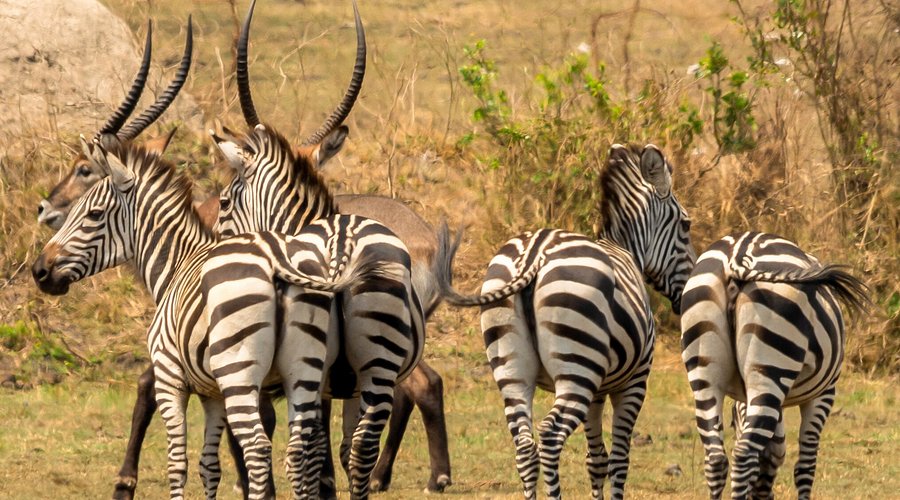
Mburo NP is an important wildlife destination in UG, home to over 68 mammal species, worth seeing on a Uganda wildlife safari.
It is the only protected area in the Pearl of Africa that is home to impalas and Burchell’s zebra. L. Mburo NP is one of the few national parks in Uganda with no elephants and no lions, which allows travelers to freely move in this protected area.
The park also supports over 300 hippos and a large number of Nile crocodiles in its lakes.
Below is the list of other animals to see in L. Mburo NP when on a Uganda wildlife safari:
- Rothschild giraffes
- Cape buffaloes
- Leopards
- Spotted hyenas
- Side-striped jackals
- Warthogs
- Common Elands
- Bushbucks
- Oribi
- Sitatunga
- Klipspringer
- Defassa Waterbucks
- Bohor Reedbucks
- Dwarf mongoose
- Vervet monkeys
- Olive baboons
- Bush pigs
- Greater galago
Bird Species in Lake Mburo NP
Mburo National Park hosts over 350 bird species that are associated with its acacia and water habitats, making it one of the best destinations for Uganda birding tours.
Unique avian species in L. Mburo NP include the shoebill stork, African finfoot, pelican, heron, red-faced barbet, crested francolin, black-bellied bustard, arrow-marked babbler, emerald-spotted wood-dove, brown parrot, saddle-billed stork, green wood-hoopoe, common scimitarbill, southern ground hornbill, African grey hornbill, trilling cisticola, spot-flanked barbet, black flycatcher, chin-spot batis, greater blue-eared starling, mosque swallow, African fish eagle, etc.
Water Bodies in Lake Mburo NP
Mburo NP contains about 14 lakes within its boundaries, which are connected by swamps, forming a significant lake system.
Out of the 14, five lakes are primary, with L. Mburo being the largest. These altogether make it a significant wetland area, comprising 20% of the total surface area.
The other four lakes include
- L. Kigambira
- L. Bwara
- L. Kazuma
- L. Mutukula
Vegetation in Lake Mburo NP
Mburo NP boasts a diverse range of vegetation types, which include narrow bands of lush riparian woodland, bushland, savanna grasslands, forested gorges, thickets, extensive papyrus swamps, and gallery forest along the lakeshores.
Top Things to Do in Lake Mburo NP
Though the park is small, it offers a diverse range of activities that tourists can enjoy when on a Uganda holiday. Among the things to do include
Game Drives
Game drives, which are categorized into day and night drives, are one of the exciting things to do in L. Mburo NP. These safari drives are best done during the hot season using safari vehicles that can navigate the rugged terrain of this protected area with ease.
These safari drives go through various landscapes featuring acacia trees, rock outcrops, and grassy hillsides.
Commonly spotted animals during a safari drive include sitatungas, reedbucks, giraffes, vervet monkeys, baboons, topis, klipspringers, oribis, hippos, spotted hyenas, and others.
Safari drives are conducted early in the morning, in the afternoon, in the evening, or at night, and they usually last for about 3-4 hours.
Boat Cruises on Lake Mburo
Boat cruises are also among the exciting things to do on a trip in L. Mburo NP. These boat trips usually start from Rwonyo Jetty, lasting for about 2 hours.
These boat cruises allow travelers to spot numerous birds and animals like hippos, crocodiles, and others that gather around the lake.
Bird Watching
Bird watching is one of the most popular activities in L. Mburo NP, with over 350 bird species recorded, making the park one of the best destinations for a birdwatching tour in Uganda.
During this interesting activity, birders can spot avian species like the red-necked spurfowl, arrow-marked babbler, emerald-spotted wood dove, brown parrot, barefaced go-away bird, green woodhoopoe, common scimitarbill, African grey hornbill, and others.
Among the best birding spots in the L. Mburo NP are near the lake swamps at Rwonyo and Warukiri, rocky outcrops, dry hillsides, and dense savannah.
Nature Walks
Mburo NP provides opportunities for fascinating hiking and nature walks. This captivating activity is done with the help of tour guides who offer explanations so that travelers can experience the park’s details, from small plants and insects like butterflies to small and large mammals.
Guided walks are conducted in various vegetation types, including thickets, gallery forests, acacia woodlands, and open savannas, among others.
Cycling Tours
Cycling is one of the most fascinating things to do in the L. Mburo NP, where cyclists ride through the protected area following the designated routes, areas for game viewing, and other wildlife experiences.
This activity offers an opportunity for visitors to see different vegetation types, including acacia woodland, open savannah, and animals like Equus quagga, Aepyceros melampus, topis, etc.
Horse Riding in Lake Mburo NP
Horseback riding is one of the fun things to do in L. Mburo NP, which is one of the few destinations where this activity can be done while on a Uganda safari.
The horseback safaris are done to enhance the game viewing experiences as one explores different parts of the park on a horse.
Cultural Tours with the Banyankole and Bahima
Cultural tours in L. Mburo NP allow tourists to learn about the local Banyankole and Bahima community and their culture.
During these cultural tours, visitors to the park have an opportunity to have a cultural encounter with the Banyankole, especially at the Enyemebwa Center, to deeply immerse themselves in the local culture. Here, they participate in the traditional hand milking of the long-horned cattle.
In addition to traditional hand milking, travelers tour around the traditional hut to see women churning milk in a gourd to make yogurt. They also enjoy traditional performances, which include singing, recitations, and dancing, among others.
Exploring the Igongo Cultural Centre and Museum
Tourists tour around the Igongo Cultural Center, which is located 4 km from the Sanga Gate of L. Mburo NP, to learn more about cultures in western Uganda.
Sport Fishing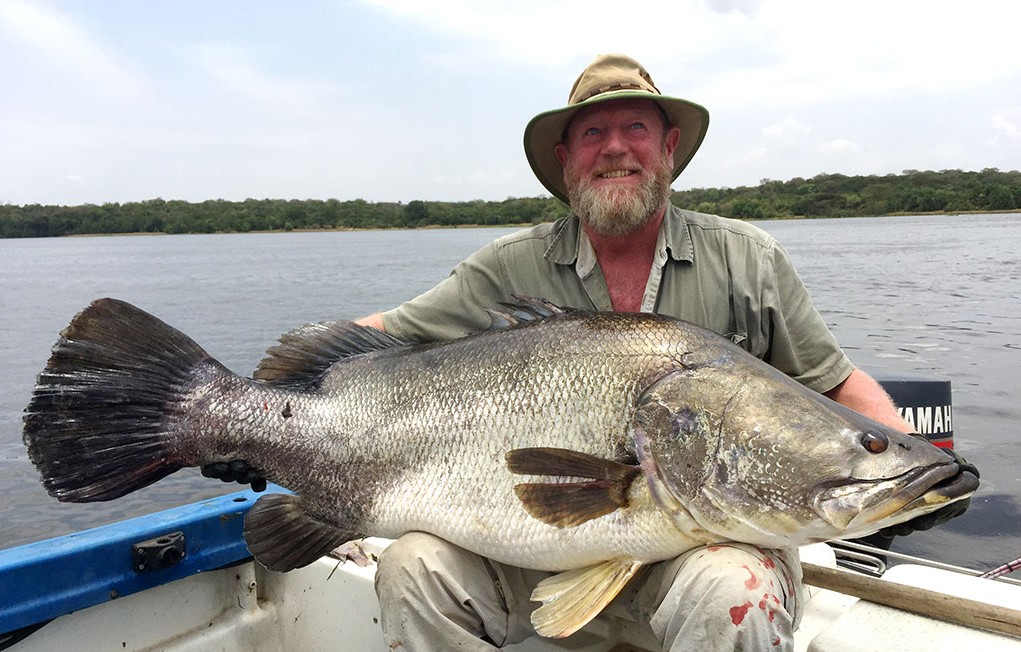
The sport fishing activity on Lake Mburo offers opportunities for travelers to catch different fish types and learn local fishing techniques from the communities near the lake.
Cost for Safari Experiences in Lake Mburo National Park
| Safari Experience | Non-Foreign Resident (USD) | Foreign Residents (USD) | East African Citizen (UGX) |
| Day game drives
| 20 | 15 | 20000 |
| Night game drives | 30 | 15 | 20000 |
| Boat trips
| 30 | 25 | 30000 |
| Nature walks | 25 | 20 | 20000 |
| Birding safaris | 25 | 20 | 20000 |
| Sport fishing
| 15 | 15 | 20000 |
| Cycling | 30 | 25 | 30000 |
| Horseback riding | 40 | 40 | 20000 |
Best Time to Visit Lake Mburo NP
Mburo NP is open year-round, but the best time to visit it for exciting adventures is during the long dry season (June to September) and the short dry season (December to February).
During this time, the vegetation thins, and many animals gather around the water point, making it easy to spot the different wildlife.
However, some travelers visit the park during the wet season (October to November and March to May). This time favors those interested in birding and those who like touring with fewer crowds.
Where to Stay Near Lake Mburo NP?
Mburo NP offers various accommodation options for travelers for their sleepovers and dinners.
These accommodations include luxury, midrange, and budget lodges, and all of these are located close to the park.
Luxury Lodges
The luxury accommodations in L. Mburo NP offer high-end services at higher prices compared to the midrange and budget lodges.
Luxury facilities at L. Mburo NP include Mihingo Lodge, which is established on the rocky ridges, and Lake Mburo Safari Lodge.
Midrange Lodges
The mid-range lodges and lodges in L. Mburo NP provide more amenities and space at affordable prices than the luxury establishments.
Mid-range lodges at L. Mburo NP include Rwakobo Rock Lodge, Arcadia Cottages, and Mantana Tented Camp.
Budget Lodges and Camps
Budget lodges and camps are designed to offer affordable accommodation and essential services at a lower price compared to luxury and midrange properties.
Budget lodges at L. Mburo NP include Rwonyo Rest Camp and Eagles Nest Lodge.
How to Get to Lake Mburo National Park?
The park is easily accessible by road and air.
By Road
The park is located in the Kiruhura and Mbarara districts along the Mbarara-Kampala highway. It is located approximately 290 kilometers from Kampala, and a drive takes about 4 hours.
You can either drive from Entebbe or Kampala, the country’s capital city. The drive from Entebbe International Airport, which is 290 kilometers from L. Mburo NP, takes about 4 hours and 20 minutes.
You will drive along the Masaka-Kampala-Mbarara highway, and the first main turn-off is for the Nshara Gate, which is about 211 km from Kampala. The Nshara Gate is just 5-9 km from the main road.
The second turnoff is at the Sanga trading center for the Sanga Gate, which is about 20 minutes from the main road.
By Air
Flights are arranged from Entebbe Airport or Kajjansi Airfield to Mbarara Airstrip for convenience.
A tour operator or lodge prearranges short drives of about an hour from the airstrip to reach the park entrance.
Tour Companies to Help You Organize Your Safari to Lake Mburo NP
- Prime Safaris And Tours Ltd
- Wild Gorilla Safaris
- Safari Uganda Safaris
- Gorilla Safaris And Tours
- A Uganda Safari
- Africa Safaris Tours
- Uganda Birding Safaris
- Gorilla Trekking Uganda
- Self-Drive Car Hire Rentals Uganda
- Car Hire Rentals Uganda Kampala
What to Pack for a Trip to Lake Mburo NP?
When planning for a trip to L. Mburo NP, the following are some of the things you should pack.
- Long- and short-sleeved shirts and trousers of neutral colour
- A lightweight waterproof jacket or sweater for cold mornings and evenings
- A pair of garden gloves
- Swimming costumes
- Sunscreen for extra protection from scorching sun, especially during safari drives or walking.
- Comfortable and sturdy hiking shoes
- A hat with a wide brim for protection against direct sunlight.
- Sunglasses
- Insect repellent, which is strong and effective enough for insects like tsetse flies.
- Toiletries like shampoo, shower gel, and soap
- Backpack for a day trip
- Reusable water bottle
- A good camera with a zoom lens
- Spare batteries, plug adapters, and charging equipment
- A pair of binoculars
- A flashlight for lighting at night
- Personal Meds as prescribed by the doctor.
- Travel documents like a passport, a visa, park permits, and insurance
Lake Mburo National Park FAQs (Frequently Asked Questions)
What Is Lake Mburo Famous For?
Mburo NP is famous for being the only game park in UG with impalas, high concentrations of zebras, and unique activities like horseback riding, among others.
How Much Does It Cost to Go to Lake Mburo National Park?
The cost for one go or entering L. Mburo NP varies depending on the visitor status (foreign non-residents, foreign residents, and East African citizens).
- Foreign non-residents (FNR)—$40,
- Foreign residents (FR)—$30
- East African citizens (EAC)—UGX 20,000.
- Children (FNR) – $20
- Children (EAC) – 5,000
- Vehicle entrance – UGX 30,000
Is Lake Mburo Worth It?
Mburo is worth visiting because of its closeness to Kampala among all other parks in the country, offering unique experiences like horseback riding, boat cruises, cultural encounters, safari drives, bird watching, and amazing sights like Equus quagga, Aepyceros melampus, giraffes, various antelopes, and birds, among others.
Are There Lions in Lake Mburo National Park?
Lions are locally extinct in L. Mburo NP, and it is for this reason that there are walking tours in this protected area.
Are There Elephants in Lake Mburo National Park?
There are no elephants in L. Mburo National Park, like in other big parks.
What Is Found at Lake Mburo National Park?
Mburo NP has diverse ecosystems, including five primary lakes that form permanent swamps, rolling hills, Aepyceros melampus (not found elsewhere in Uganda), large herds of zebras, elands, hippos, buffalo, leopards, and over 300 bird species, among others.
What Is Unique About Lake Mburo National Park?
Lake Mburo NP is unique for being the only Ugandan park with Aepyceros melampus, large herds of Equus quagga, and elands, among other animals, and it offers unique activities like horseback riding.
Are There Leopards in Lake Mburo National Park?
There are leopards in L. Mburo NP, and it is one of Uganda’s top destinations to spot them, especially when on a day or night game drive.
Conclusion
Contact us now to help you start planning your Uganda trip to Lake Mburo NP that is filled with amazing sights and interesting things to do for a memorable safari experience.

Over 300 excellent reviews on TripAdvisor
Over 50 excellent reviews on Safaribookings.
Over 50 excellent reviews on Safaribookings.
12+ years of experience.
Best price guarantee.

Robert
Planning a safari and tour? Seek guidance from a safari specialist...
To receive outstanding safari advice, you can either contact us via phone or arrange a video conference with our proficient specialists.