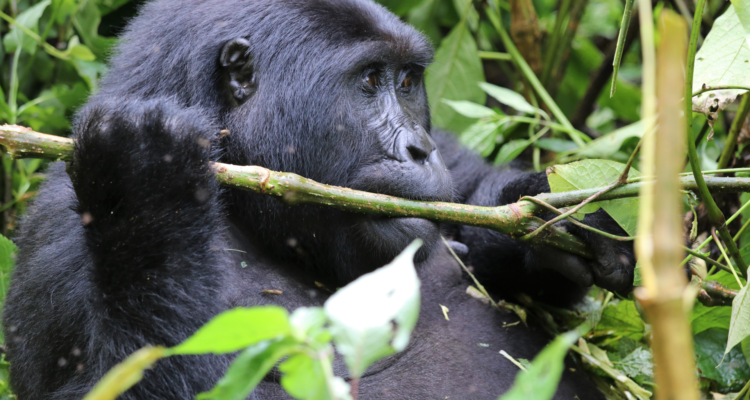
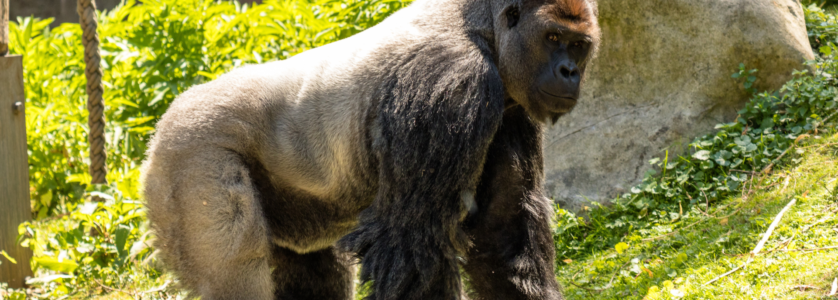
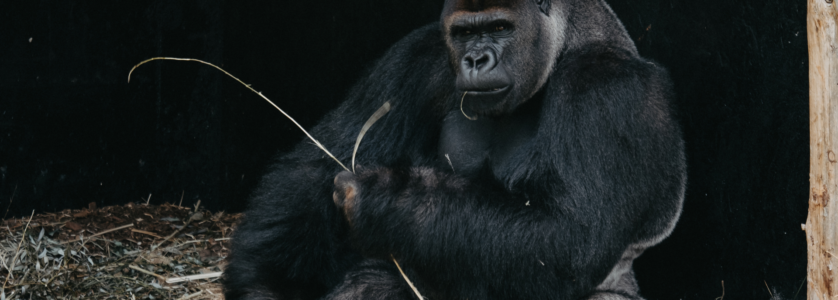
In 2026, the landscape of African travel has evolved. We are moving away from the “bucket list” mentality toward what I call “Legacy Travel”—journeys that leave a permanent mark on your worldview while directly contributing to the survival of a species.
Among all the experiences on the continent, the Rwanda gorilla trekking safari and the Uganda gorilla safari stand as the two most profound encounters with nature. As an expert who has spent 15 years navigating the mist-shrouded slopes of the Virunga Massif and the vertical green walls of Bwindi, I’ve seen that for first-timers, the choice often feels like a coin toss.
But 2026 brings new logistics and permit updates. This guide is your ground-level blueprint for navigating the “Primate Capital of the World.”
The 2026 Verdict: Rwanda vs. Uganda
The question isn’t “which is better,” but “which rhythm suits your soul?” In 2026, the distinction has become even clearer.
Rwanda: The “Platinum” Gateway
Rwanda has perfected the art of the “boutique” safari. It is the only place on earth where you can land at a world-class airport (Kigali) and be standing at the edge of a gorilla habitat 2.5 hours later.
- The Vibe: Refined, high-end, and time-efficient.
- The Permit: $1,500 USD. It is the most expensive in Africa, but it funds an incredibly polished infrastructure.
- The Trek: Generally shorter and through bamboo forests, which offer better light for photography.
Uganda: The “Adventurer’s” Sanctuary
If Rwanda is a boutique hotel, Uganda is the grand, wild estate. A Uganda gorilla safari is for those who want to “earn” the encounter.
- The Vibe: Raw, authentic, and physically immersive.
- The Permit: $800 USD. It remains the gold standard for value-driven travelers.
- The Trek: Bwindi is an “Impenetrable” forest. You will scramble over roots, duck under vines, and hike through deep mud. It is a workout for the body and a feast for the spirit.
1. The “Secret” Habituation Experience (Uganda Only)
One of the highest-traffic topics for 2026 is the Gorilla Habituation Experience in Bwindi’s Rushaga sector.
While a standard trek gives you one hour with a family already used to humans, Habituation allows you four hours with a family currently being integrated into tourism. You join researchers and rangers, learning to read the subtle body language of a silverback. At $1,500—the same price as a standard permit in Rwanda—Uganda offers four times the immersion. For photographers and serious wildlife enthusiasts, this is the ultimate 2026 “insider” tip.
2. Planning Your Uganda Primate Circuit
A Uganda gorilla safari is rarely just about gorillas. The most popular 2026 itineraries are “Primate Triple Threats.”
- Chimpanzees in Kibale: Start in the “Primate Capital,” home to 1,500 chimps.
- Tree-Climbing Lions in Ishasha: Stop at the southern sector of Queen Elizabeth National Park to see lions lounging in fig trees.
- The Bwindi Finale: End with the mountain gorillas.
2026 Logistics Tip: The “Kigali Shortcut”
To avoid the 9-hour drive from Entebbe to Bwindi, many travelers are flying into Kigali (Rwanda) and crossing the border into Uganda (4 hours). This allows you to enjoy Rwanda’s logistics with Uganda’s permit pricing.
3. Packing for the Mist: 15 Years of Wisdom
The rainforest doesn’t care about your fashion. It cares about your utility.
- Gardening Gloves: You will be grabbing thorns and nettles for balance. Trust me, you want these.
- Gaiters: Not just for snow. In Bwindi, they keep the “safari ants” from marching up your legs.
- Breathable Waterproofs: It’s a rainforest—it will rain. But it’s also humid. If your jacket doesn’t “breathe,” you’ll be as wet from sweat as you are from rain.
- Broken-in Boots: Never wear new boots on a trek. Bwindi’s slopes are unforgiving to unseasoned leather.
Editorial Policy: Our Commitment to Ground Truth
At Rwanda Gorilla Tracking Safaris, our content is guided by “Conservation-First Journalism.”
- Direct Sourcing: We don’t use stock itineraries. We update our guides based on the monthly reports from park rangers in 2026.
- Health Integrity: We strictly support the 7-meter (21-foot) rule. Gorillas share nearly 98% of our DNA and are vulnerable to our colds and flu.
- Community Focus: We prioritize lodges that employ local Batwa and Bakiga staff, ensuring your tourism dollars go back into the hands of the forest’s guardians.
Frequently Asked Questions
1. Is it easier to see gorillas in Rwanda or Uganda?
The success rate in both countries is over 99%. Rangers track the families starting at dawn, so by the time you leave your lodge, they already know where the gorillas are. The difference is purely in the difficulty of the hike to get to them.
2. What is the best age for a gorilla safari?
The minimum age is 15 years. In 2026, this is strictly enforced to protect gorillas from childhood illnesses and ensure all participants can handle the physical terrain.
3. Can I do a gorilla trek if I have limited mobility?
Yes! In Uganda, you can hire a “sedan chair” (local porters carry you in a specialized stretcher). It allows travelers with physical disabilities or seniors to experience the magic of the forest without the hike.
4. How far in advance should I book for 2026?
Peak season (June–August and December–February) permits sell out 8 to 12 months in advance. If you are planning a last-minute trip, the “rainy seasons” (March–May) often have permits available and lodges offer significant discounts.
5. Do I need a Yellow Fever shot?
Yes. Both Uganda and Rwanda require proof of Yellow Fever vaccination for entry. You must carry your “Yellow Card” with your passport.
Your Journey of a Lifetime Starts Here
The mist is rising over the forest, and the silverbacks are waiting. Whether you choose the luxury of Rwanda or the rugged heart of Uganda, you aren’t just going on a safari—you are becoming a part of one of the greatest conservation success stories in history.
Contact Our Primate Specialists:
 >
>