Key Takeaways About the Flora in Nyungwe National Park
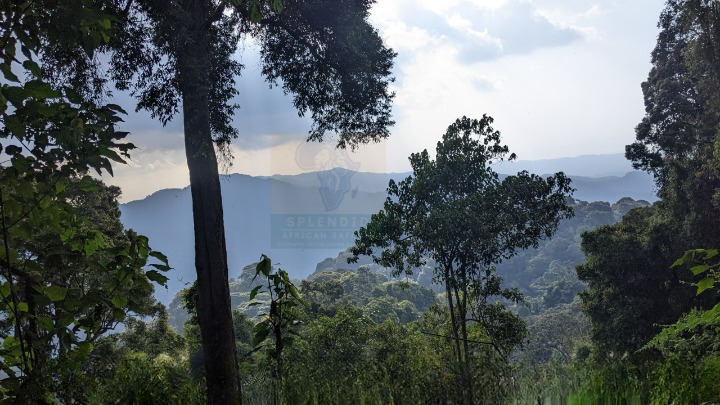
- Nyungwe Forest National Park in Rwanda is an ancient Afro-montane rainforest that hosts over 1,068 plant species, including ~200 tree species and 140+ orchid species.
- The flora of Nyungwe National Park is determined by the different elevations that influence the vegetation zones.
- Nyungwe’s flora makes the park a biodiversity hotspot with major significance as it hosts several endemic species of wildlife and plays a major role in the lives of the local people as well.
- Additional information worth understanding as you start planning botanical tours in Nyungwe National Park to see the flora there.
Here is everything you need to know about the flora of Nyungwe Forest National Park!
Important Nyungwe Park Areas with Unique Flora

The flora of Nyungwe National Park is concentrated in several sections of the national park, making it a biodiversity hot spot i.e.
Western Nyungwe Forest
The Western Nyungwe Forest is one of the major park areas where the flora is mainly concentrated.
It is perched on the lower elevation on the Gisakura side of the park, and it features unique dense, towering canopy trees like Mahogany (Entandophragma), Chrysophyllum, and Newtonia.
You can see distinct plant life in these towering flora species, such as mosses, tree ferns, and the beautiful epiphytes (air plants that grow on other plants) in the western Nyungwe Forest.
To get to Western Nyungwe Forest, you need to journey along the Karamba trail and the Umuyove trail to reach this section of the park and see the distinct flora there.
Central Nyungwe Forest and Uwinka
Another section on Nyungwe NP, where flora is concentrated, is the Central Nyungwe Forest, near the Uwinka reception center.
The central Nyungwe Forest, centred around the Uwinka visitor centre, is where the famous Nyungwe canopy walkway is also found.
This is a mid-altitude part of the park dominated by ferns and giant tree ferns with common tree species such as Cyathea mannina and Symphonia.
You can see the park’s famous orchids plus other endemic species of plants clinging to the high branches of most of the tree species in the central Nyungwe Forest.
To get to the central Nyungwe Forest, you need to traverse the famous Igishigishigi trail where the 60-meter-high canopy walkway is found, and also the Isumo waterfall trail.
Eastern Nyungwe Forest
The eastern part of Nyungwe forest is one of the major sections in the park where unique flora species are concentrated.
It is found in the high-altitude areas of the Nyungwe park (~2,500m to 2,900m), which are known for montane grasslands and bamboo thickets.
If you take guided bush walks in the eastern parts of the Nyungwe forests, where the landscape changes into highland forests and expansive montane bamboo thickets, you will see a mix of shrubs and trees like the Podocarpus, Hagenia, and Macaranga.
To get to the eastern Nyungwe forests, you need to journey along the popular Bigugu trail, which leads to the park’s highest peak, Mount Bigugu, at 2,950m.
Kamiranzovu Basin
The Kamiranzovu Basin is one of the major sections in the park where vital flora species are concentrated.
Found on the valley floor of Nyungwe Forest National Park, the Kamiranzovu Basin has an expansive highland marsh filled with unique swamp vegetation, peat bogs, and papyrus.
If you explore the Kamiranzovu basin, you will have excellent chances of spotting rare and unique marsh flora, beautiful water-loving orchids, and other flora species.
To get to the Kamiranzovu basin, you need to traverse the Kamiranzovu trail, which offers deep insights into this unique swamp and wetland ecosystem.
Other areas include
- Cyamudongo Forest
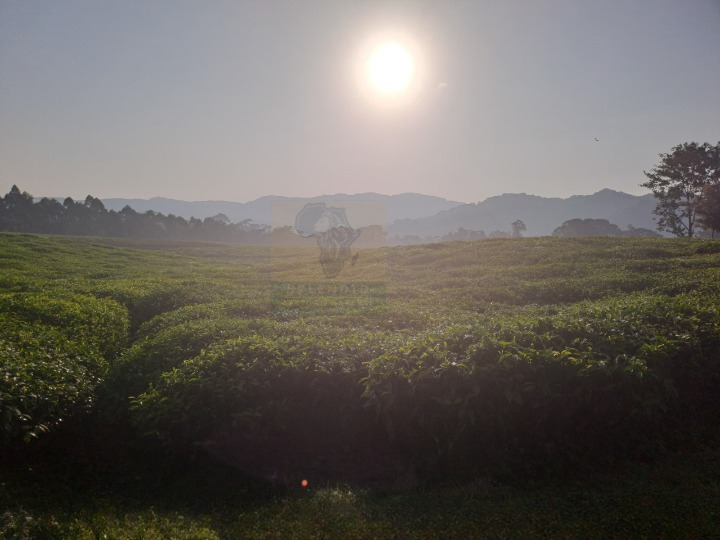
- Gisakura Tea Estate
- Mount Bigugu
- Hiking Trails
- Cyinzobe Area
Journey to any of these areas for the best views of the unique flora in Nyungwe National Park!
The Varied Vegetation Zones by Altitude in Nyungwe Forest National Park
Nyungwe National Park is found in different vegetation zones depending on the altitude, as detailed below
The lower levels are characterized by a thicker montane forest with towering, tall tree species such as Newtonia, Carapa, Giant African mahogany, locally called Umuyove (entandrophragma excelsum), etc.
- Mid Levels at ~2,250-2,500m
The mid levels are characterized by alpine vegetation, tree ferns (Cyathea manniana), Podocarpus, Hagenia, Symphonia, Macaranga, Syzygium, bamboo thickets, and shrubs.
- Higher Levels at ~ 2,950m
The higher levels are characterized by open woodlands, sub-alpine vegetation with bamboo thickets, alpine shrubs, Erica johnstonii, Phillipia, and giant lobelia.
Mosses, ferns, and orchids, known as epiphytes, grow high up in the damp, misty treetops without ever touching the soil. You’ll see these “air plants” all over tropical mountain rainforests.
Trees like Carapa grandiflora produce fruit that feeds chimpanzees, monkeys, squirrels, and even the people living nearby.
Notable Plant Families in Nyungwe National Park
Some of the notable plant families in Nyungwe National Park include
- Mahogany (Entandrophragma excelsum)
This towering tree dominates the Nyungwe forest and is so iconic that it gave the Mahogany Trail its name.
Nyungwe National Park is popularly known as the orchid haven of Rwanda, as it hosts more than 140-250 recorded orchid species (~66% of all Rwandan orchids), with many found nowhere else but the Albertine Rift.
The giant lobelia, an iconic afro-alpine plant that features striking, otherworldly rosettes, is another notable plant family in Nyungwe NP at higher levels.
Nyungwe’s flora consists of over 60 endemic plant species, like Talenna rwandensis, Begonia pulcherrima, Impatiens kagamei, and Impatiens nyungwensis, which grow only in this region.
Many species are used by nearby communities for traditional healing, a use recorded in the Handbook of African Medicinal Plants.
The Rich Biodiversity in the Flora of Nyungwe Forest National Park
The flora of Nyungwe National Park is packed with several rich endemic species and biodiversity, including
Nyungwe’s flora is home to a rich primate diversity of over 13 primate species, including ~500+ habituated chimpanzees, ~600+ Rwenzori Colobus monkeys (Angola colobus), L’Hoest’ s monkeys, Hamlyn’s monkeys, blue monkeys, olive baboons, red tailed monkeys, vervet monkeys, grey cheeked mangabeys, owl-faced monkeys, black and white colobus monkeys, etc.
Nyungwe National Park is considered one of the important ornithological sites in Africa because the park’s flora hosts a diverse range of bird species (~300+), with at least 30 endemics to the Albertine rift, worth seeing during Rwanda birding tours.
Some of these include great blue turacos, Rwenzori turaco, red collared mountain babbler, Rockefeller’s sunbird, Albertine owlet, and other forest species.
Beyond the beautiful birds and primates, Nyungwe’s flora also supports other wildlife species like giant forest hogs, bush pigs, marsh mongoose, golden cats, African civets, black fronted duikers, rare buffalos, elusive leopards, butterflies, yellow-backed duikers, and other mammals.
Fun Safari Activities to Do to See the Flora in Nyungwe National Park
The best way to see the diverse flora in Nyungwe National Park is by partaking in activities like
- Guided nature walks
- Chimpanzee tracking
- Colobus monkey tracking
- Nyungwe canopy walks
- Hiking trails
- Mount Bigugu climbing
- Tea plantation tours
- Birding, etc. READ MORE!
Significance Of National Park Nyungwe’s Flora
The flora of the national park Nyungwe in Rwanda is critically significant because of the following reasons
Nyungwe National Park Flora consists of over 1060 species of plant life with about 25% being endemic to the Albertine Rift Region, making the park one of the best botanical sites in Africa.
The flora in Nyungwe Park contains a wide variety of medicinal plants that are used in both local treatments and scientific research.
The huge vegetation cover in Nyungwe Forest NP, ranging from the bamboo thickets, dense montane forests, and bogs, acts as a massive sponge and water catchment area for two of the world’s largest rivers (The Nile River and the Congo River) while providing a good portion of Rwanda’s fresh water.
Nyungwe’s flora acts as a major habitat to several wildlife species and is also food to the species, e.g., the towering Carapa grandiflora trees and fig trees that are food sources for chimpanzees and other primates.
Nyungwe National Park is home to about 140-250 recorded orchid species (~66% of all Rwandan orchids) and several plant epiphytes.
Serious Threats Facing Flora Species in Nyungwe Forest National Park
The vital flora in Nyungwe National Park faces several threats that include
- Climate Change, such as the ever-shifting rainfall and temperature shifts
- Habit degradation from destructive human activities like charcoal burning
- Anthropogenic fires caused by overpopulation in some areas and intentional fires
- Illegal mining of gold, coltan, and other minerals leading to deforestation
- Invasive plant species that take over the park edges
- Unplanned Infrastructure development
Ongoing Conservation Initiatives for the Nyungwe Forest NP Flora
Nyungwe National Park management, together with the Rwanda Development Board, Wildlife Conservation Society, and other stakeholders, focus on protecting the rich flora diversity through several initiatives such as
- Establishing buffer zones (~10,085 ha of exotic plantations) to curb agricultural encroachment
- Enforcement of strict ecotourism guidelines, e.g., by limiting the number of travelers walking through the flora during chimpanzee trekking activities.
- Supporting anti-poaching patrols who prevent illegal logging of endemic tree species and dismantle snares.
- Involvement of surrounding communities in sustainable forestry and agroforestry initiatives, reducing their reliance on firewood
- Supporting research and monitoring efforts by botanical researchers who continually survey Nyungwe’s flora to monitor the climate and vegetation health.
All these conservation efforts are done to protect the fragile flora of Nyungwe NP.
Additional Information to Consider About Nyungwe National Park and Its Flora
When planning visits to Nyungwe Forest National Park to see its flora, remember to consider the information below for a successful safari adventure.
Best Nyungwe Forest National Park Accommodation
When on multiple-day botanical tours in Nyungwe National Park to see the incredible flora there, consider staying at close-by accommodations near the Kitabi or Gisakura park entrances, ranging from budget, midrange, to luxury hotels, lodges, and hotels.
Some of the good options include One& Only Nyungwe House, Nyungwe Top View Hill Hotel, Gisakura Guest House, etc. READ MORE!
Average Safari Costs to Incur on Nyungwe Botanical Safaris
To see the unique flora in Nyungwe National Park in Rwanda, you will incur varied costs, i.e., approximately USD 100 for park entrance fees, USD 40 for guided nature walks, USD 50 for birding walks, and USD 60 for Nyungwe Canopy walks, among other extra fees depending on several factors like your nationality, season, and class tier.
Best Time to Visit Nyungwe National Park for Botanical Tours
The best time to visit Nyungwe National Park to see the flora and vibrant vegetation is during the wet seasons from March to May and October to November, when the heavy rains during these months trigger blooming flowers, lush greenery, and abundant fruit-bearing plants across the tropical rainforest canopy.
However, if you are looking forward to better photography opportunities, dry trails, and combining your botanical tours with other safari experiences like the Rwanda wildlife safaris, the dry seasons from June to September and December to February are also good months.
Other Attractions in Nyungwe National Park Besides the Flora
Beyond the unique flora, Nyungwe National Park is home to several other attractions, such as
- Wildlife
- Isumo Waterfall
- Tea plantations Gisakura and Gisovu
- Lake Kivu
- Nyungwe River
- 130 km hiking trails
- Bigugu Mountain, etc.
Fly into Kigali International Airport and upon arrival, use domestic flights operated by Akagera Aviation to fly to Kamembe Airstrip, followed by a short transfer to the park headquarters, or use 4×4 road transfers that last about 5-6 hours via the Huye and Butare main road to get to the park to commence your botanical trip.
Rwanda Safari Packing List for Botanical Tours
When on Botanical tours in Rwanda’s Nyungwe National Park, we strongly advise you to pack and carry comfortable hiking boots, a rain jacket, long-sleeved shirts, long trousers, insect repellent, sunscreen, a camera, and more as suggested by your travel agent.
Reputable Rwanda Safari Operators Offering Nyungwe Botanical Tours
- Prime Safaris and Tours Ltd
- Wild Gorilla Safaris
- Gorilla Safari Rwanda
- Rwanda Gorilla Tracking Safaris
- Gorilla Tracking Rwanda
- Africa Safaris Tours
- Gorilla Safaris and Tours
Call or email any of these reputable tour operators for customized Rwanda botanical tours to enable you to see the beautiful flora in Nyungwe National Park firsthand for lasting memories!
 >
>