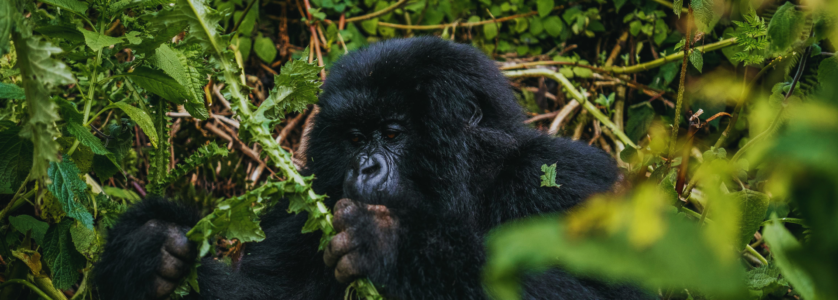
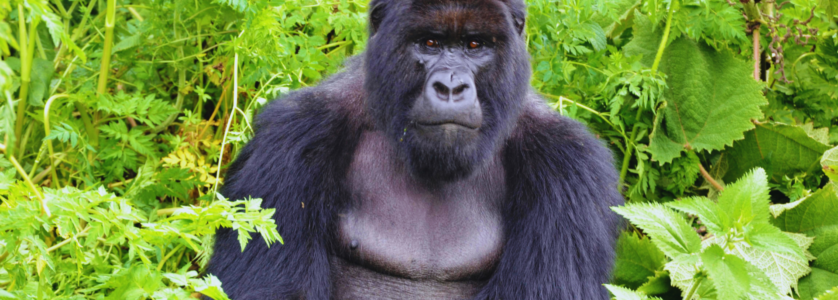
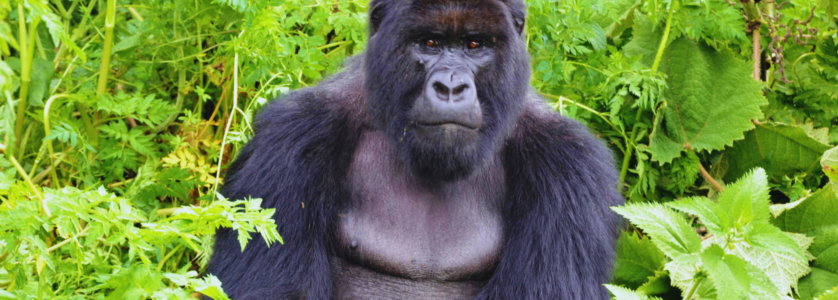
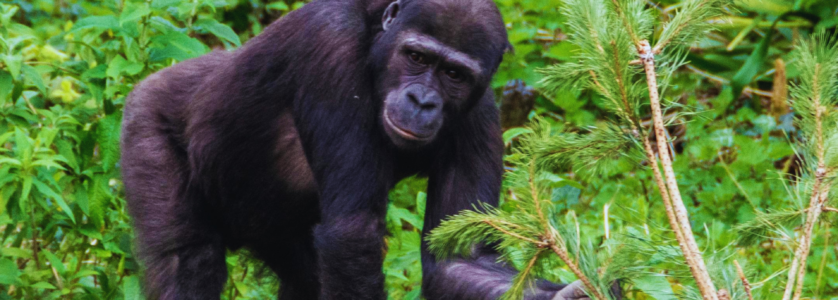
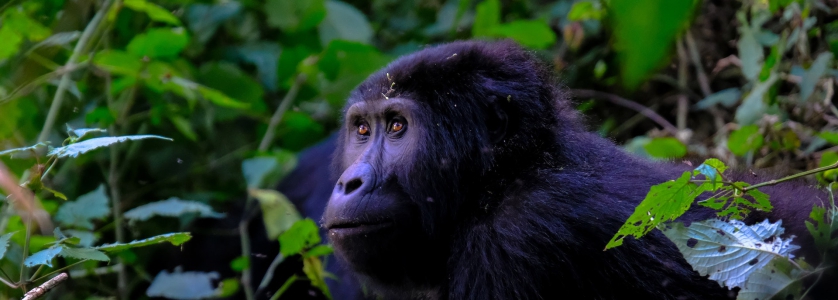
When it comes to the “Land of a Thousand Hills,” the conversation always begins and ends with the giants in the mist. As a specialist who has spent over 15 years navigating the volcanic slopes of the Virunga Massif, I’ve seen the magic of Rwanda Gorilla Tracking Safaris transform from a simple trek into the world’s most sophisticated conservation success story.
Planning a trip for 2026 isn’t just about booking a flight; it’s about understanding a complex ecosystem of permits, seasonality, and the deep-rooted impact your visit has on the survival of a species. If you’re looking to stand just meters away from a 400-pound silverback, this is the definitive guide to doing it right.
The 2026 Guide to Rwanda Gorilla Tracking Safaris: Permits & Strategy
In the safari world, Rwanda has carved out a “high-value, low-impact” niche. This means fewer crowds, better roads, and a more intimate experience than anywhere else on the continent. But it also means you need to be strategic.
1. Navigating the 2026 Permit Landscape
The Rwanda gorilla permit remains the most significant part of your planning. For 2026, the standard price is $1,500 per person. While this is a premium investment, it serves a dual purpose: it pays for 24/7 protection for the gorillas and funds a 10% revenue-sharing scheme that builds schools and clinics for the local communities.
- Availability: Only 96 permits are issued daily across 12 habituated families.
- The “Secret” Discount: If you are visiting other parks like Akagera (for the Big Five) or Nyungwe (for chimpanzees) for at least three days during the low season (November and May), you can often secure a 30% discount ($1,050) on your gorilla permit.
- Booking Window: For peak months (June–September), I recommend booking at least 10 to 12 months in advance.
2. Choosing Your Gorilla Family
One of the most common questions I get is, “Which family is the best?” In Volcanoes National Park, the rangers at Kinigi headquarters assign groups based on fitness levels.
- For the Adventurous: Ask for the Susa A Group. They often range higher up the slopes of Mount Karisimbi. It’s a tough hike, but seeing the family Dian Fossey originally studied is a bucket-list win.
- For the Intimate Encounter: The Amahoro Group (meaning “Peaceful”) is known for its calm demeanor.
- For First-Timers: The Sabinyo Group usually stays closer to the park boundaries, offering a shorter trek without sacrificing the quality of the sighting.
Essential Rules for a Sustainable Trek
The rules aren’t just for your safety—they are for the health of the primates. Gorillas share 98% of our DNA, making them incredibly susceptible to human respiratory illnesses.
- The 7-Meter Rule: You must maintain a minimum distance of 7 meters (23 feet). Even if a curious youngster approaches you, the rangers will ask you to step back.
- The One-Hour Limit: Once you find the family, the clock starts. You have exactly 60 minutes. Put the camera down for at least 10 minutes of that time—just breathe and observe.
- No Flash Photography: Flash is strictly forbidden as it can startle the silverback and cause a defensive charge.
- Health Check: If you have even a mild cold or flu, you will not be allowed to trek. Many lodges and operators now suggest wearing a surgical mask during the actual encounter as an extra layer of protection.
Expert Travel Tips for 2026
After a decade and a half in the bush, these are the small details that make a huge difference in your Rwanda Gorilla Tracking Safaris:
- The “Gaiter” Secret: Even in the dry season, the forest floor is wet and the stinging nettles are fierce. Wear long trousers and tuck them into your socks. Better yet, bring waterproof gaiters to keep out the ants and mud.
- Hire a Porter: For $20, you can hire a local porter. Not only do they carry your bag and help you up the steep bits, but they are often former poachers who now rely on tourism for their livelihood. It is the most direct way to support conservation.
- Gardening Gloves: This sounds odd, but bring a pair of tough gardening gloves. You’ll be grabbing onto branches and vines for balance, and many of them have thorns.
- Tipping Culture: Plan for $15–$20 for your main ranger guide and $10 for each tracker. These men and women spend their lives in the forest protecting these animals.
Beyond the Gorillas: The Full Rwandan Circuit
If you are flying all the way to Kigali, don’t leave after 48 hours. Rwanda has become a “circuit” destination.
Akagera National Park
Just 2.5 hours from the capital, Akagera is a savannah wonderland. It is now home to the Big Five (Lion, Leopard, Elephant, Buffalo, and Rhino). A boat safari on Lake Ihema at sunset is the perfect contrast to the dense mountain forests.
Nyungwe Forest
To the south, this ancient rainforest offers the famous Canopy Walk and chimpanzee trekking. The biodiversity here is staggering, with 13 different primate species and world-class birding.
Our Editorial & Conservation Policy
At Rwanda Gorilla Tracking Safaris, we believe in “Tourism with a Purpose.” Our content is researched through direct field experience and updated monthly based on Rwanda Development Board (RDB) regulations. We never recommend “underground” or un-permitted treks. We prioritize eco-lodges that have a proven record of reforestation and community employment.
Frequently Asked Questions
1. Is 15 the absolute minimum age for gorilla trekking?
Yes. This is a strict rule across Rwanda and Uganda. It is primarily for safety and health reasons, as children are more likely to carry common childhood diseases that could be fatal to gorillas.
2. Can I see the gorillas in one day from Kigali?
Technically, yes. You can leave Kigali at 4:30 AM to reach Kinigi by 7:00 AM. However, I always advise staying at least one night near the park. The morning mist over the volcanoes is half the experience, and you don’t want to start a physical trek after a 2-hour pre-dawn drive.
3. What happens if I don’t see the gorillas?
The “success rate” in Rwanda is over 99%. Trackers head out at dawn to find the families before you even leave your lodge. In the extremely rare case they aren’t found, the park usually offers a second trek or a partial refund, but this almost never happens.
4. How much should I budget for a 3-day safari?
A mid-range 3-day safari (including the $1,500 permit, transport, and lodging) typically starts around $2,400–$2,800 per person. Luxury options can easily exceed $6,000.
5. Is it safe to visit Rwanda in 2026?
Rwanda remains one of the safest countries in the world, ranking highly for solo travelers and women. The tourism infrastructure is highly organized, and the security in and around national parks is world-class.
Ready to Book Your Encounter?
The mountains are calling. Whether you want a luxury “fly-in” safari or a rugged cross-country adventure, we are here to tailor the perfect journey.
Contact Rwanda Gorilla Tracking Safaris Today:
 >
>