In 2026, a safari in East Africa is more than just a trip; it is a pilgrimage to the soul of the natural world. Having spent over a decade navigating the mist-covered hills of the Virungas and the ancient corridors of Bwindi, I have seen how a single hour in the presence of a silverback can rewrite a person’s perspective on life.
If you are a first-time visitor, the choice between a Rwanda gorilla trekking safari and gorilla trekking in Uganda is likely the biggest decision on your itinerary. This guide is designed to strip away the marketing jargon and give you the ground truth on costs, terrain, and the unwritten rules of the forest.
1. Uganda vs. Rwanda: The 2026 Comparison
For first-time visitors, the primary question is: Why is one nearly double the price of the other? The answer lies in the philosophy of the experience rather than the quality of the gorillas.
Rwanda: The “Boutique” Experience
Rwanda has positioned itself as Africa’s premium primate destination. From the moment you land at Kigali International Airport, the transition is seamless. You are in the heart of Volcanoes National Park in just 2.5 hours on paved roads.
- The Vibe: Exclusive, high-end, and efficient.
- The Permit: $1,500 USD. This funds world-class conservation and a very refined trekking infrastructure.
- The Terrain: Often easier to navigate, with bamboo forests that provide more “open” windows for photography.
Uganda: The “Wild Heart” Experience
Uganda remains the land of adventure. Bwindi Impenetrable National Park is a UNESCO World Heritage site for a reason—it is a prehistoric, dense rainforest that feels like the world before time.
- The Vibe: Raw, diverse, and deeply immersive.
- The Permit: $800 USD. It is the most cost-effective way to see mountain gorillas while supporting the world’s largest population.
- The Terrain: Steeper and more challenging. You aren’t just trekking; you are truly “hacking” through the jungle.
2. Planning Your Uganda Trek: A First-Timer’s Blueprint
When planning gorilla trekking in Uganda, you must choose a specific “sector.” Unlike Rwanda, which has one main entry point, Bwindi is divided into four distinct regions, each with its own character.
Which Sector Should You Choose?
- Buhoma (North): The oldest and most popular. It has the gentlest slopes and a wide range of luxury lodges.
- Ruhija (East): The highest altitude. It is cool, scenic, and home to some of the most playful gorilla families.
- Rushaga (South): Home to the most habituated groups. If you want the “Gorilla Habituation Experience” (4 hours instead of 1), this is your base.
- Nkuringo (Southwest): The most physically demanding but arguably the most beautiful, with views of the Virunga Volcanoes.
3. What to Expect on “T-Day” (Trek Day)
The day starts early—usually a 7:00 AM briefing at the park headquarters. You’ll be assigned a gorilla family based on your fitness level.
Expert Insight: Be honest with the rangers during the briefing. If you have a bad knee or limited stamina, tell them. They want you to succeed, and they will assign you a “closer” family if possible.
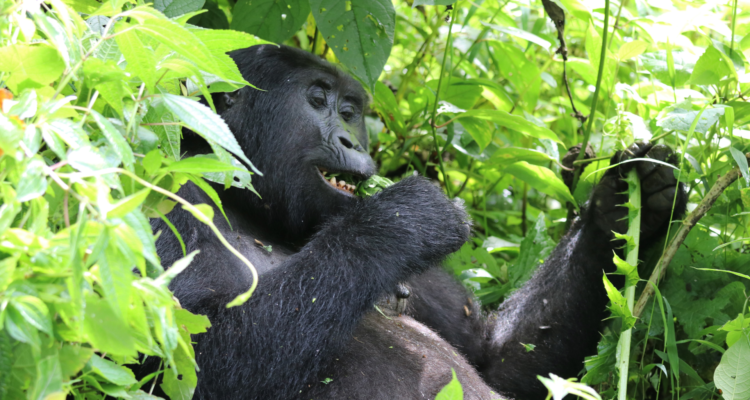
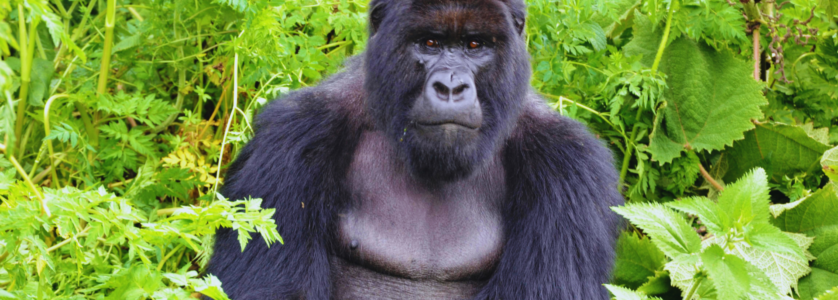
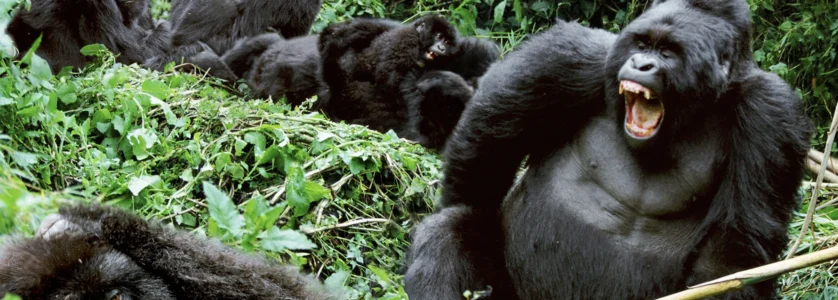
Once you find the gorillas, the clock starts. You have exactly one hour. You will see them foraging, the youngsters tumbling like toddlers, and the Silverback—a mountain of muscle and quiet authority—keeping a watchful eye. It is an hour that feels like a minute, yet stays with you forever.
4. Packing List: The “Essential Four”
After 15 years in the bush, I’ve seen many travelers regret their wardrobe choices. For 2026, don’t leave home without:
- Gaiters & Long Socks: Essential for keeping “safari ants” out of your trousers.
- Gardening Gloves: You will be grabbing vines and branches for balance; stinging nettles are no joke.
- A Lightweight Poncho: Even in the “dry” season, Bwindi is a rainforest. It will rain.
- Waterproof Hiking Boots: Do not attempt this in sneakers. You need ankle support and a deep grip for the mud.
Editorial Policy: Why You Can Trust This Guide
At Rwanda Gorilla Tracking Safaris, our content is built on the principle of Ground-Truth Advocacy.
- Local Expertise: Our writers and guides live and work in East Africa. We don’t just curate; we experience.
- Conservation Integrity: We only promote ethical trekking. We strictly adhere to the 7–10 meter distance rule to protect gorillas from human-borne illnesses.
- Financial Transparency: We provide the most current permit pricing for 2026 to ensure your budget is realistic from day one.
Frequently Asked Questions
1. What is the success rate of seeing gorillas in Uganda?
The success rate is over 99%. Advanced trackers head into the forest at dawn to locate the families before the tourists even finish breakfast. It is extremely rare to finish a trek without a sighting.
2. Is there an age limit for gorilla trekking?
Yes. The minimum age for gorilla trekking in Uganda and Rwanda is 15 years. This is strictly enforced to protect the gorillas from childhood diseases and to ensure participants can handle the physical terrain.
3. How fit do I really need to be?
You don’t need to be an Olympic athlete, but you should be comfortable walking on uneven, steep terrain for 2–6 hours. If you are concerned about your fitness, you can hire a “porter” (for about $15–$20) who will carry your bag and literally pull or push you up the trickier slopes. It is the best money you will spend.
4. Can I see gorillas in the rainy season?
Yes! In fact, some photographers prefer it because the forest is lush and emerald-green. The “Low Season” (March–May and October–November) also means fewer crowds at the lodges. Just be prepared for more mud.
5. What is the “Gorilla Habituation Experience”?
Exclusive to Uganda’s Rushaga sector, this allows you to spend four hours with a family that is still habituated to human presence. It costs $1,500 USD (the same as a standard Rwanda permit) and is perfect for those who want a deeper, more scientific understanding of gorilla behavior.
Take the Next Step into the Mist
The gorillas are waiting, and the forest is calling. Whether you choose the refined luxury of a Rwanda gorilla trekking safari or the rugged charm of gorilla trekking in Uganda, we are here to make sure your first time is seamless.
 >
>