In the heart of East Africa, where the mist clings to ancient volcanic peaks and the savannah stretches toward a sun-drenched horizon, Rwanda has quietly transformed into the continent’s most sophisticated safari destination. For a decade and a half, I have watched this “Land of a Thousand Hills” evolve from a niche primate sanctuary into a world-class circuit that rivals the legendary plains of the Serengeti.
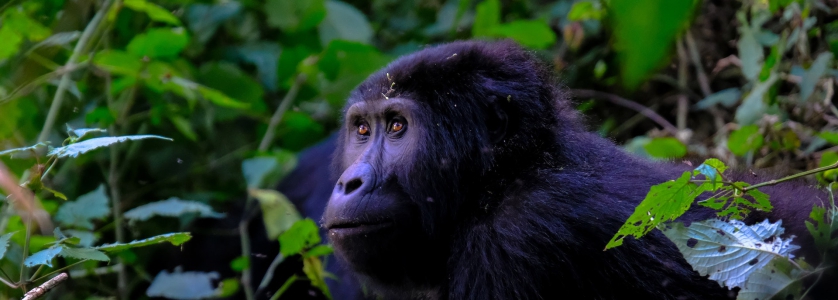
If you are planning a Rwanda safari, you aren’t just booking a trip; you are stepping into a masterclass of conservation. Whether you are here to look into the soulful eyes of a mountain gorilla or to track a pride of lions across the Akagera plains, this guide will help you navigate the nuances of a premium Rwandan adventure
The Ultimate Rwanda Safari Guide: From Primates to the Big Five
1. Gorilla Trekking in Volcanoes National Park: The Soul of Rwanda
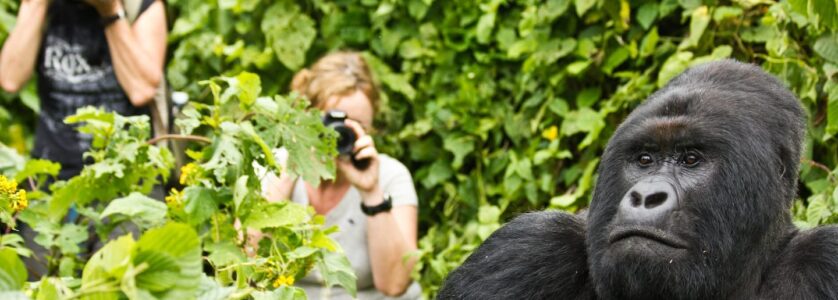
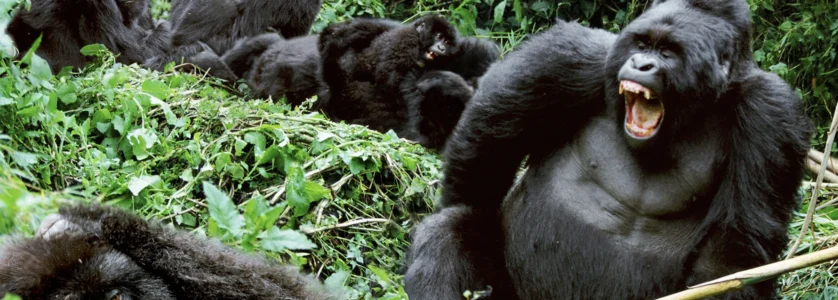
For most travelers, a Rwanda gorilla trekking safari is the primary “why.” Volcanoes National Park is arguably the most accessible place on earth to see mountain gorillas. Unlike the long, arduous drives found in neighboring countries, the park is a scenic 2.5-hour drive from Kigali on paved roads.
The Experience:
Your day begins at the Kinigi headquarters with a traditional Intore dance performance and a fresh cup of Rwandan coffee. You’ll be assigned to one of 12 habituated gorilla families. The trek can last anywhere from 1 to 6 hours, depending on where the family nested the night before.
Pro Tip: Always hire a porter (approx. $20). Not only do they help you navigate the slippery “Hagenia” forest slopes, but your contribution directly supports the local community, turning former poachers into protectors.
2. Beyond the Forest: Big Five Safaris in Akagera
While the gorillas are the icons, Akagera National Park is the comeback story of the century. After years of restoration in partnership with African Parks, Akagera is now a thriving Big Five destination.
- Lions & Rhinos: Successfully reintroduced, they now roam the savannah and wetlands.
- The Landscape: Unlike the flat plains of Kenya, Akagera is a mosaic of lakes, papyrus swamps, and rolling highlands.
- Exclusivity: The “low-density” tourism model means you can often enjoy a sighting with no other vehicles in sight—a luxury that is becoming rare in East Africa.
3. Nyungwe Forest: The Primate Capital
If you have more than five days for your Rwanda safari, heading south to Nyungwe Forest National Park is non-negotiable. This is one of the oldest rainforests in Africa. It’s home to:
- Chimpanzee Trekking: A high-energy adventure through the canopy.
- The Canopy Walk: A 70-meter high suspension bridge offering a bird’s-eye view of the ancient forest.
- Colobus Monkeys: Sightings of “super-groups” numbering over 300 individuals are common here.
Strategic Planning for 2026: Timing and Logistics
To get the most out of your journey, you need to understand the rhythm of the seasons.
| Season | Months | Best For |
| Short Dry Season | Dec – Feb | Gorilla trekking and birding. |
| Long Wet Season | Mar – May | Best for photographers (lush green backgrounds). |
| Long Dry Season | Jun – Sep | Big Five sightings in Akagera (animals gather at water). |
| Short Wet Season | Oct – Nov | Chimpanzee trekking (food is abundant in lower forest). |
The Gorilla Permit: A Worthy Investment
As of 2026, a Rwanda gorilla permit is $1,500. While the price point is premium, it is a direct investment in the survival of the species. The funds support 24/7 veterinary care, park rangers, and a 10% revenue-sharing scheme with local communities.
Frequently Asked Questions
1. Is Rwanda or Uganda better for gorilla trekking?
Rwanda offers a more “premium” and accessible experience with shorter driving distances and higher-end lodges. Uganda is often preferred by budget-conscious travelers or those looking for a more “wild” and physically demanding trek in Bwindi.
2. Can you see the Big Five in Rwanda in one day?
While Akagera has the Big Five, seeing all of them in a single day is rare due to the park’s diverse terrain. We recommend a 2-to-3-night stay to increase your chances of spotting the elusive leopard and black rhino.
3. What should I pack for a Rwanda safari?
Focus on layers. You’ll need moisture-wicking gear for the humidity of Nyungwe, sturdy waterproof hiking boots for the volcanoes, and light neutral-colored clothing for the Akagera heat. Don’t forget garden gloves—they protect your hands from stinging nettles during the gorilla trek!
4. Is Rwanda safe for solo and female travelers?
Rwanda is consistently ranked as one of the safest countries globally. The tourism infrastructure is highly professional, and the “Kigali is clean and safe” reputation extends throughout the countryside.
5. Do I need a visa for Rwanda in 2026?
Rwanda offers visa-on-arrival for many nationalities, including citizens of the AU, Commonwealth, and La Francophonie. However, always check the current Irembo (government portal) for the latest e-visa requirements before you fly.
Editorial & Research Policy
This content is grounded in real-world expertise and up-to-date 2026 conservation data. We prioritize:
- Authenticity: Every recommendation is based on the physical terrain and current park regulations.
- Sustainability: We advocate for the “High Value, Low Impact” model that protects Rwanda’s fragile ecosystems.
- Accuracy: Permit prices and seasonal data are verified against the Rwanda Development Board (RDB) standards.
Ready to Explore the Land of a Thousand Hills?
Planning a Rwanda safari requires a balance of logistics and local insight. Whether you want to customize a 3-day gorilla “fly-in” or a 10-day cross-country expedition, we are here to help.
Contact Us:
 >
>