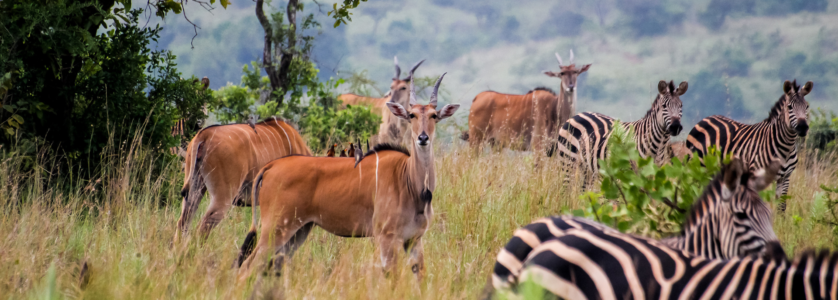
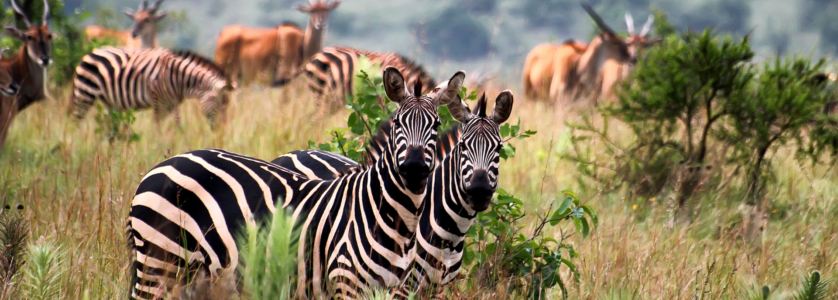
Planning the perfect safari in Rwanda requires securing mountain gorilla trekking permits at least six months in advance and timing your visit during the dry seasons between June and September. A complete itinerary blends primate tracking in Volcanoes National Park with a traditional “Big Five” wildlife experience in Akagera National Park. Over the last 15 years of designing East African itineraries, I’ve watched Rwanda evolve into a premier, standalone luxury eco-destination. During a scouting trip to the Virunga Massif last August, I witnessed firsthand how crucial early planning is. Travelers who waited too long to book missed out entirely, as the strict daily limits on viewing the habituated gorilla families were quickly exhausted.
To avoid common pitfalls and maximize your investment, you need a strategic approach. Here is exactly how to build an unforgettable expedition.
Why Choose a Safari in Rwanda Over Other Destinations?
Many travelers wonder what makes a safari in Rwanda distinct from neighboring heavyweights like Kenya or Tanzania. The answer lies in exclusivity, safety, and a conservation-first model that guarantees intimate wildlife encounters. You aren’t just observing nature; you are actively funding its protection.
According to the Rwanda Development Board, the $1,500 gorilla trekking permit directly supports local communities and vital anti-poaching initiatives. This high-value, low-impact strategy means fewer crowds around wildlife sightings. You will spend less time navigating a sea of safari vehicles and more time connecting with the environment.
Step-by-Step Guide: Crafting Your Rwanda Safari Itinerary
Step 1: Anchor Your Trip with Gorilla Safaris Rwanda
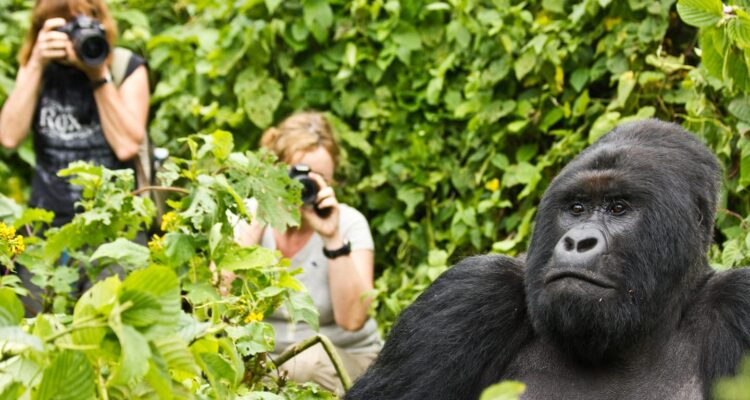
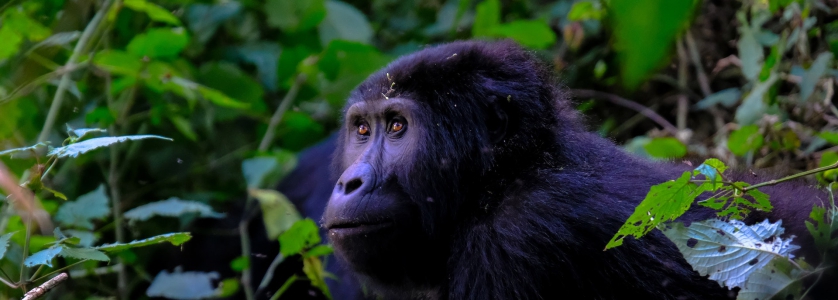
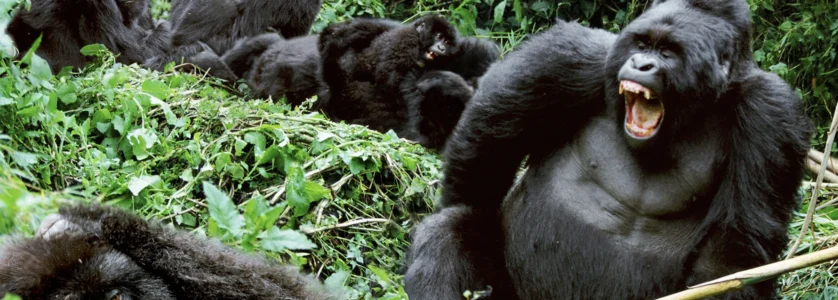
The centerpiece of most safaris in Rwanda is undoubtedly the mountain gorillas. Because only 96 permits are issued daily across 12 habituated families, this must be the first item you book. Secure your dates six to eight months in advance, especially if you plan to travel during the peak summer months.
Step 2: Diversify Your Wildlife Experience
A common misconception is that Rwanda only offers primates. To craft a truly well-rounded experience, you must combine different ecological zones.
Use the table below to structure your park visits based on your wildlife priorities:
| National Park | Primary Wildlife Attraction | Best For | Recommended Stay |
| Volcanoes | Mountain Gorillas, Golden Monkeys | Primate tracking, high-altitude hiking | 2-3 Days |
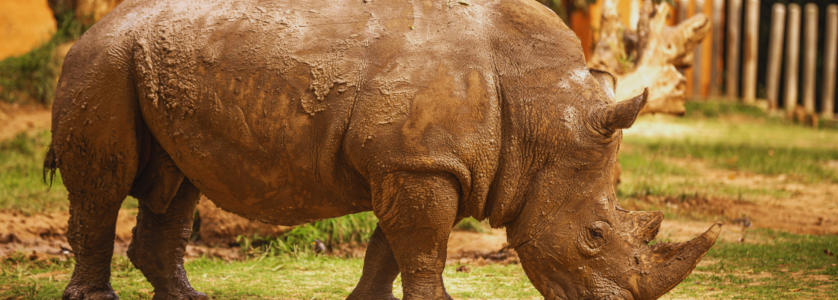
| Akagera | Lions, Rhinos, Elephants, Leopards | Traditional Big Five game drives, boating | 2-3 Days |
| Nyungwe | Chimpanzees, Colobus Monkeys | Canopy walks, bird watching, dense jungle | 2 Days |
Step 3: Sort Out Logistics and Local Transport
Rwanda is relatively compact, known affectionately as the “Land of a Thousand Hills.” Driving between major parks takes anywhere from two to six hours on well-maintained, winding roads. Hire a local 4×4 guide service, as their deep knowledge of the terrain and local wildlife movement is invaluable.
When is the Best Time to Go on a Rwanda Safari?
Timing your trip correctly dictates the quality of your trekking experience. While you can visit year-round, the equatorial climate heavily influences trail conditions.
- Long Dry Season (June to mid-September): The absolute best time for a perfect safari in Rwanda, offering solid ground for gorilla trekking and optimal wildlife viewing in Akagera.
- Short Dry Season (mid-December to early February): An excellent secondary window, perfect for holiday travel with minimal rainfall.
- Wet Seasons (March to May, October to November): Trails become muddy and challenging, but photographers will love the lush, clear landscapes and lower accommodation rates.
Frequently Asked Questions About Planning a Safari in Rwanda
How much does a perfect safari in Rwanda cost?
A premium Rwanda safari is a luxury investment, typically starting around $1,000 to $1,500 per person per day, excluding international flights. This average heavily accounts for the $1,500 gorilla trekking permit and stays at top-tier eco-lodges. Budgeting around $6,000 to $9,000 for a 6-day itinerary is a realistic expectation.
Is a safari in Rwanda safe for tourists?
Yes, Rwanda is consistently ranked as one of the safest countries in Africa for international tourists. The government places a massive emphasis on security, particularly in national parks where armed rangers and expert guides accompany you at all times. Violent crime against tourists is exceptionally rare.
How many days do you need for gorilla safaris in Rwanda?
To comfortably experience gorilla tracking without rushing, you need a minimum of three to four days. This allows for arrival in Kigali, a scenic transfer to Volcanoes National Park, acclimatization to the altitude, the trek itself, and a relaxed departure. If you want to add Akagera or Nyungwe, aim for a seven to ten-day itinerary.
 >
>