In the world of luxury travel, few experiences carry the same weight as a safari in Rwanda. As a safari specialist with over 15 years of boots-on-the-ground experience in East Africa, I have watched Rwanda transform from a niche primate destination into a world-class wildlife circuit.
While the mountain gorillas of the Virunga Massif remain the country’s crown jewels, the modern Rwanda safari has evolved into something much larger. It is now a journey of contrasts: from the misty, prehistoric rainforests of the west to the classic Big Five savannahs of the east. If you are planning a trip for 2026, this guide will help you navigate the logistics, the hidden gems, and the soul-stirring encounters that make this the “Land of a Thousand Hills.”
The Heart of the Journey: Rwanda Gorilla Trekking Safari
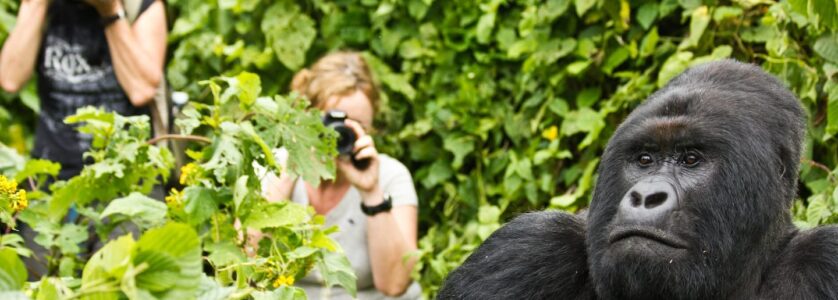
For many, a Rwanda gorilla trekking safari is a spiritual pilgrimage. Volcanoes National Park is home to roughly a third of the world’s remaining mountain gorillas. What sets Rwanda apart from its neighbors is the sheer accessibility and the “premium” nature of the encounter.
The Volcanoes Experience
The trek begins at the Kinigi park headquarters. Unlike the rugged, multi-day hauls found elsewhere, most gorilla families in Rwanda can be reached within a two-to-four-hour hike. You are assigned to a group of eight, led by expert trackers who have been with these families since dawn.
Expert Insight: Don’t just focus on the “big” families like the Susa group. Smaller families often provide more intimate sightings and less “traffic” in the forest. If you have any mobility concerns, speak up during the morning briefing; the rangers are masters at matching your fitness level to the right troop.
The Golden Monkey Bonus
While you are in the Volcanoes region, don’t miss the Golden Monkeys. These bamboo-dwelling primates are endemic to the Virunga Mountains. Their playful nature and striking orange-gold coats make them a photographer’s dream, and the trek is significantly less strenuous than the gorilla hike.
Expanding the Map: Safari in Rwanda’s Best National Parks
A decade ago, travelers would fly in for the gorillas and fly out. Today, a complete safari in Rwanda requires at least 7 to 10 days to appreciate the geographical diversity.
1. Akagera National Park: The Big Five Comeback
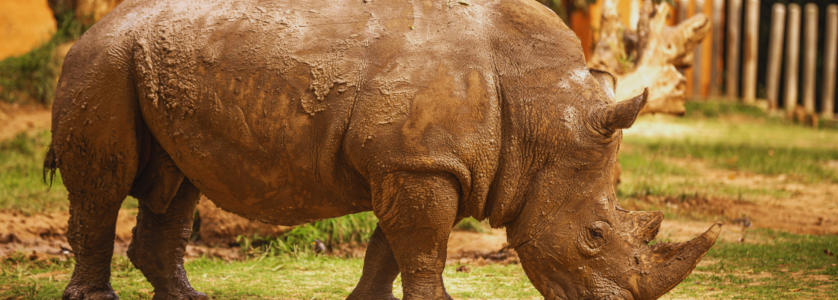
Located on the border with Tanzania, Akagera is Rwanda’s only savannah park. It is a remarkable conservation success story. Through a partnership with African Parks, lions and black rhinos were reintroduced, making it a legitimate Big Five destination.
- The Landscape: A mosaic of swamps, lakes, and open plains.
- The Highlight: A boat safari on Lake Ihema. It is one of the few places in Africa where you can see hippos, massive Nile crocodiles, and the rare shoebill stork from the water.
2. Nyungwe Forest: An Ancient Primate Paradise
To the south lies Nyungwe Forest National Park, one of the oldest rainforests in Africa. This is the place for Chimpanzee trekking.
- The Canopy Walk: Suspended 70 meters above the forest floor, this bridge offers a perspective of the rainforest usually reserved for the 13 species of primates that live here.
- The Vibe: Dense, emerald, and incredibly vocal. The sound of the forest here is something you’ll never forget.
3. Lake Kivu: The Perfect Safari Pause
After the physical demands of trekking, most of my clients head to the shores of Lake Kivu. Whether you stay in the resort town of Rubavu or the quieter Karongi, the lake offers a Mediterranean-style atmosphere in the heart of Africa. It’s the ideal spot to reflect on your journey before heading back to Kigali.
2026 Safari Planning: What You Need to Know
The “High Value, Low Impact” Model
Rwanda intentionally keeps tourism numbers low to protect its ecosystems. This means permits are a premium—$1,500 for gorilla trekking. However, there is a strategic “Green Season” discount. If you spend at least two nights in Akagera and/or Nyungwe during the low season (November and May), you can often secure a 30% discount on your gorilla permit.
Best Time to Visit
- Dry Season (June to September): Peak season. Trails are dry, and wildlife in Akagera gathers around water sources.
- Short Dry Season (December to February): Excellent for birding and trekking, though still popular.
- The “Green” Season (March to May): Expect rain, but the landscapes are impossibly lush, and the air is clear—perfect for professional-grade photography.
Frequently Asked Questions
1. Is the $1,500 gorilla permit worth it compared to Uganda?
Yes, for many travelers. While Uganda’s permit is cheaper ($800), Rwanda offers much shorter driving distances (2.5 hours from the airport vs. 9 hours in Uganda) and a more developed luxury infrastructure. You are paying for time and convenience.
2. How physically fit do I need to be for a Rwanda safari?
For Akagera, you just need to be able to sit in a 4×4. For gorilla trekking, you should be able to walk for 3–5 hours on uneven, sometimes muddy terrain. If you are worried, you can hire a “stretcher” service where local porters carry you to the gorillas—it’s a great way to provide extra employment to the community!
3. What is the “Big Five” status in Akagera?
Akagera is home to Lion, Leopard, Elephant, Buffalo, and Rhino. While sightings are not as “guaranteed” as in the massive parks of Kenya, the exclusivity of having a sighting all to yourself is a rare luxury.
4. Can I combine a Rwanda safari with Kenya or Tanzania?
Absolutely. Kigali is well-connected. Many travelers do a 3-day “Gorilla Add-on” in Rwanda before or after a Great Migration safari in the Serengeti or Masai Mara.
5. What should I pack for a trekking safari?
Think “layers.” Long trousers and long-sleeved shirts (to protect against nettles), sturdy waterproof hiking boots, garden gloves (for gripping vegetation), and a lightweight rain jacket. Neutral colors like khaki or green are best for the savannah.
Editorial Policy & Research Standards
As an expert-led guide, we prioritize accuracy and ethical tourism. Our recommendations are based on:
- Direct Field Experience: We visit these parks annually to verify trail conditions and lodge standards.
- Sustainability: We only recommend operators who adhere to the Rwanda Development Board (RDB) conservation guidelines.
- Community Support: We advocate for the 10% revenue-sharing model that ensures local communities benefit from every permit sold.
Start Your Rwandan Adventure Today
The beauty of a safari in Rwanda is that it is compact yet incredibly deep. You can move from a bustling, clean city like Kigali to the heart of a prehistoric forest in a single morning.
Contact Us:
 >
>