 >
> What do you know about the Akagera River and wetlands reserve? If nothing, then don’t skip this blog where we discuss everything you need to know about the Akagera River.
Akagera River and its tributaries and wetlands are found in Akagera National Park, situated in eastern Rwanda, known to be one of Africa’s most diverse conservation areas because of its scenic lakes, vast wetlands, and rich biodiversity.
Named after the Akagera River, which forms the park’s eastern boundary with Tanzania, Akagera National Park spans approximately 1,122 sq km and is home to Central Africa’s largest protected wetland, dominated by the Akagera River and over twelve lakes.
The remarkable mix of ecosystems in Akagera Park, especially the wetlands, provides a vital habitat for diverse wildlife species such as the hippos, elephants, Nile crocodiles, elusive shoebill storks, etc.
Essential Insights About the Akagera River and the Wetlands Reserve
- Akagera River and the surrounding area in Rwanda’s Akagera National Park are home to a wide range of tourist attractions, including wildlife species, which makes it one of the premier protected areas in Rwanda for game viewing, among other outdoor activities.
- The lakes and rivers in Akagera National Park are home to one of Africa’s highest hippo densities, among other aquatic life.
- More information worth knowing as you start planning Rwanda safaris to Akagera National Park to explore the Akagera River and wetlands reserve, e.g., best time, access, costs, etc.
Akagera River
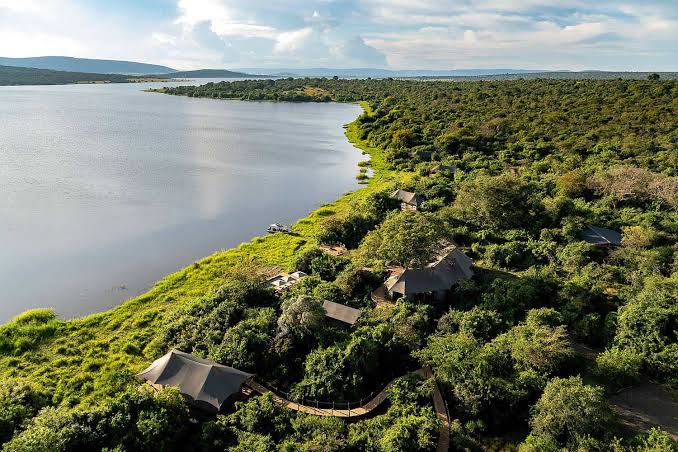
The Akagera River, also known as the Kagera River, flows along the park’s eastern boundary, forming the border with Tanzania, and is the main water source for the park and its ecosystem, including the expansive wetland system.
It flows northwards along the Rwanda-Tanzania border, passing through Rusumo Falls and through a vast network of papyrus swamps, feeding several lakes in the park, such as Lake Rwanyakazinga and Lake Ihema.
This Akagera river system forms the largest protected wetland in the region and creates a good natural habitat for wild animals, stunning birds, and aquatic life often seen by nature lovers and birders visiting this Rwanda wildlife safari park.
It is also worth noting that the Akagera River also contributes to Lake Victoria as part of the upper headwaters of the Nile system.
Akagera River Tributaries
The Akagera River system is supported by tributaries that enhance the water flow especially during the wet season such as the:
- Nyabarongo River in Rwanda
- Ruvubu River in Burundi
- Akanyaru River
These are home to vast numbers of wildlife seen during Rwanda safaris.
Lakes, Wetlands Ecosystem, and Natural Habitat
The Akagera River basin is filled with expansive papyrus swamps, floodplains, and wetlands, which act as natural filters for the lakes and are home to diverse wildlife species, making them important ecosystems in East Africa.
The wetlands of Akagera NP are home to hundreds of bird species, including rare sightings of the rare and prehistoric shoebill stork as well as the colorful papyrus gonolek, among other waterbirds.
The papyrus swamps in Akagera NP cover much of the low-lying land, helping to filter water, creating perfect breeding grounds for waterbirds, and supporting fish populations that support the existence of the surrounding local fishing communities.
The wetlands in Akagera National Park support a wide range of plant species and aquatic vegetation cover, which ensures that the wetlands remain alive with activity throughout the year, especially during the wet season between April and November when water levels rise, and the ecosystem flourishes.
Major Lakes in Akagera National Park
The Akagera National Park includes a series of open waterbodies (ten to twelve lakes), most of which are connected to the major Akagera River, and some of these include:
- Lake Ihema (the largest known for its hippos and birdlife)
- Lake Shakani (popular for fishing)
- Lake Rwanyakazinga (offers quieter and more remote views)
- Other smaller ones include Lake Mihindi, Lake Murambi, Lake Gishunju, etc.
All these lakes, though they vary in size, contribute to the park’s status as a vital wetland reserve in the country.
Beyond the rolling hills and savannahs, the swamps, rivers, and lakes create a striking difference in the park, which makes every visit rewarding!
Biodiversity And Attractions Along the Akagera River and Wetlands Reserve
Tourists exploring the Akagera River and the wetlands reserve (lakes and rivers) can expect to see several attractions, including:
- Fish species
- Aquatic animals like the sitatunga antelopes (elongated hooves adapted to marshy grounds), hippos (one of the largest concentrations in Africa), large crocodiles, etc.
- Over 500 unique bird species, including the prehistoric shoebill, 300,000+ African fish eagles, papyrus gonoleks, and other water birds.
It is worth noting that beyond the fauna found along the Akagera River and the park’s waterscapes, the wildlife of Akagera also includes the Big Five, including lion, elephant, leopard, rhino, and buffalo, which were successfully reintroduced after decades of extinction by African Parks.
Other savanna-adapted species often seen by tourists include the zebras, giraffes, and several antelope species often seen running around the open plains and woodlands.
The wildlife numbers in Akagera National Park have steadily increased thanks to conservation efforts spearheaded by African Parks and the Akagera Management Company, which protect and conserve the park’s wilderness.
Key Activities and Safari Experiences Done to See the Highlights of the Akagera River
1) Boat Cruises On Lake Ihema
Boat cruises, mainly done on Lake Ihema and sometimes on Lake Rwanyakazinga, offer close wildlife spotting in the park.
These boat rides bring tourists closer to animals like the hippos, large crocodiles, and several flocks of aquatic birds.
The calm waters along these waterscapes and the picturesque shores create a perfect setting that makes it a favourite activity for photographers with a camera ready to catch any unforgettable moments.
2) Birdwatching
Akagera National Park is a birdwatcher’s paradise with over 500 different bird species, including aquatic birds.
Birders can explore the Akagera River and papyrus swamps to spot elusive birds like the rare shoebill stork, among others, such as the raptors and ground birds often seen in the nearby savannah grasslands.
These birds include the African fish eagles, Goliath herons, squacco herons, African open-billed storks, pink-backed pelicans, African jacanas, kingfishers, martial eagles, bateleurs, snake eagles, lilac-breasted rollers, and grey crowned cranes, etc.
A local birding guide and a good pair of binoculars are the most important things you need to spot these birds.
3) Sport Fishing Along Lake Shakani
Sport fishing, mainly done along Lake Shakani, is another of the fun activities done in Akagera National Park to see most of the aquatic life along these waterways, including the fish species, etc.
4) Game Drives and Wildlife Viewing
Game drives through Akagera Park are the most popular way used by wildlife enthusiasts to explore the wilderness of the park, including the Akagera River and surrounding areas.
Morning game drives and night drives provide different perspectives, with nocturnal animals like leopards active after dark.
The game drives are an exceptional experience, with the park taking tourists through several habitats including woodlands, hills, and open plains. You need a knowledgeable guide and a safari vehicle to make the excursion better.
5) Guided Walking Safaris
Guided nature walks are also available for those preferring a more intimate way of experiencing nature, to explore the Kagera River and adjacent surroundings.
You get to learn about the Akagera River’s history and formation, plants, tracks, and smaller species of wildlife spotted in the wetlands often missed during vehicle-based safaris.
Best Time to Go to Rwanda’s Akagera River
The best time to go to Akagera National Park to see the Akagera River and the park’s waterways largely depends on what you want to see, but year-round sightings are possible.
The dry season or dry months from June to September offer easier game viewing as most animals bask in the sun or come to the available water sources in the morning or afternoon, while the wet season from November to April brings lush greenery to the wetlands and attracts many migratory birds.
Ecological Importance and Conservation Efforts of the Akagera River and Its Wetlands
The Akagera River and its associated wetlands are significant for mitigating downstream flooding in Akagera National Park, improving water quality, and supporting local fisheries.
With this importance, it is crucial for the Rwandan government, through RDB, African Parks, and other NGOs, to preserve the Akagera River and wetlands reserve.
Today, the restoration of Akagera National Park is one of Africa’s great conservation success stories.
The country has partnered with African Parks to develop the park into a thriving haven for wildlife.
Biodiversity protection and conservation have resulted in a rise in the number of species, better tourism, and sustainable accommodation for visitors.
Tourism is an important factor for the maintenance of the protected area and will allow future generations to experience this wonderful beauty.
More Information About Akagera River and Wetlands Reserve
Costs: Tourists should budget for at least USD 100-500 per person per day for activities, park entrance fees, hotel, etc. for a tour of the highlights of Akagera National Park including the Akagera River.
Accommodation: Akagera NP has a lot of accommodation facilities for tourists to stay at during safaris, ranging from budget, midrange to luxury such as Magashi Camp, Ruzizi Tented Camp, Akagera Game Lodge among others.
Access: You can get to Akagera NP by flying into Kigali International Airport and using domestic flights to the park’s airstrip or road transfers, which take atleast 2-2.5 hours on well-paved roads to the park.
Checklist: Visitors are strongly encouraged to bring birding binoculars, a good camera with a zoom lens, sunscreen, insect repellent, etc.
Tour Operators: Book your safari with trusted Rwanda tour companies who will help you plan the best safaris with expert guides who have more in-depth knowledge of the Akagera River and wetlands reserve.
These include Prime Safaris and Tours Ltd, Wild Gorilla Safaris, Gorilla Safari Rwanda, Rwanda Gorilla Tracking Safaris, Gorilla Tracking Rwanda, Africa Safaris Tours, and Gorilla Safaris and Tours.
The Akagera River and wetlands reserve in Rwanda’s Akagera National Park are one of the most outstanding landmarks in the park worth seeing during Rwanda trips.
If you want to explore them, call or email us now, and we will plan the best safari for you to create lasting memories there!

Over 300 excellent reviews on TripAdvisor
Over 50 excellent reviews on Safaribookings.
Over 50 excellent reviews on Safaribookings.
12+ years of experience.
Best price guarantee.

Robert
Planning a safari and tour? Seek guidance from a safari specialist...
To receive outstanding safari advice, you can either contact us via phone or arrange a video conference with our proficient specialists.